


Can I get vaccinated if my blood pressure is 155 over 85?
Dec 12, 2025
Source: Cainiu Health

Dr. Tian Hongbo
Introduction
If this blood pressure level has been stably maintained over a long period (e.g., through regular use of antihypertensive medication) and the individual does not experience symptoms such as dizziness, headache, or chest tightness, with overall stable health status, vaccination generally will not cause significant blood pressure fluctuations nor affect vaccine efficacy. After medical evaluation, routine vaccination can be administered, followed by continued blood pressure monitoring.
Generally, when blood pressure is 155 mmHg systolic and 85 mmHg diastolic, vaccination may proceed after consultation if the blood pressure has been stable long-term without discomfort. However, if blood pressure has suddenly increased or is accompanied by symptoms, vaccination should be postponed. If in doubt, it is recommended to seek medical advice in advance. Detailed analysis is as follows:
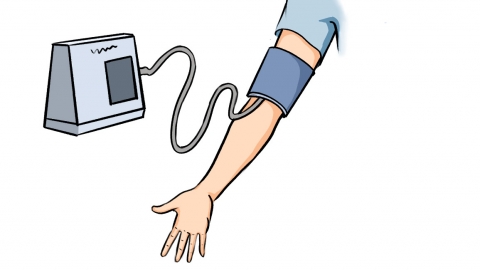
If this blood pressure level reflects a well-controlled, chronic condition (e.g., due to regular use of antihypertensive medication) and there are no symptoms such as dizziness, headache, or chest tightness, with overall stable health, vaccination typically does not cause significant blood pressure fluctuations nor affect vaccine efficacy. After evaluation by a physician, vaccination can usually proceed normally, followed by continued blood pressure monitoring.
However, if blood pressure has recently risen to this level (e.g., due to missed medication or emotional stress), or if symptoms such as pronounced dizziness, palpitations, or blurred vision are present, this suggests poor blood pressure control. Vaccination under these conditions may exacerbate discomfort due to physiological stress and could potentially increase the risk of cardiovascular or cerebrovascular events. In such cases, blood pressure should first be stabilized through medication adjustment, stress reduction, or other measures; vaccination can then be reconsidered once blood pressure and symptoms have improved.
Before vaccination, inform the doctor about your blood pressure levels and history of antihypertensive medication use so they can determine whether vaccination is appropriate. During the post-vaccination observation period, monitor blood pressure closely. If abnormal fluctuations or any adverse symptoms occur, promptly notify healthcare providers for management.





