


How to remove surgical scars
Sep 03, 2024
Source: Cainiu Health

Dr. Liu Wenmin
Introduction
Scars usually refer to cicatrices. In most cases, surgical scars are hypertrophic scars left on the skin surface after surgery. They can be removed or improved through treatments such as radiofrequency microneedling, dermabrasion, fractional laser, scar excision, or flap transplantation. If you wish to remove a surgical scar, it is recommended to promptly consult a reputable local hospital and follow medical advice for appropriate treatment.
Scars generally refer to cicatrices. In most cases, surgical scars are hypertrophic scars left on the skin surface after surgery. They can be removed or improved through treatments such as radiofrequency microneedling, dermabrasion, fractional laser, scar excision, and flap transplantation.
Item Name |
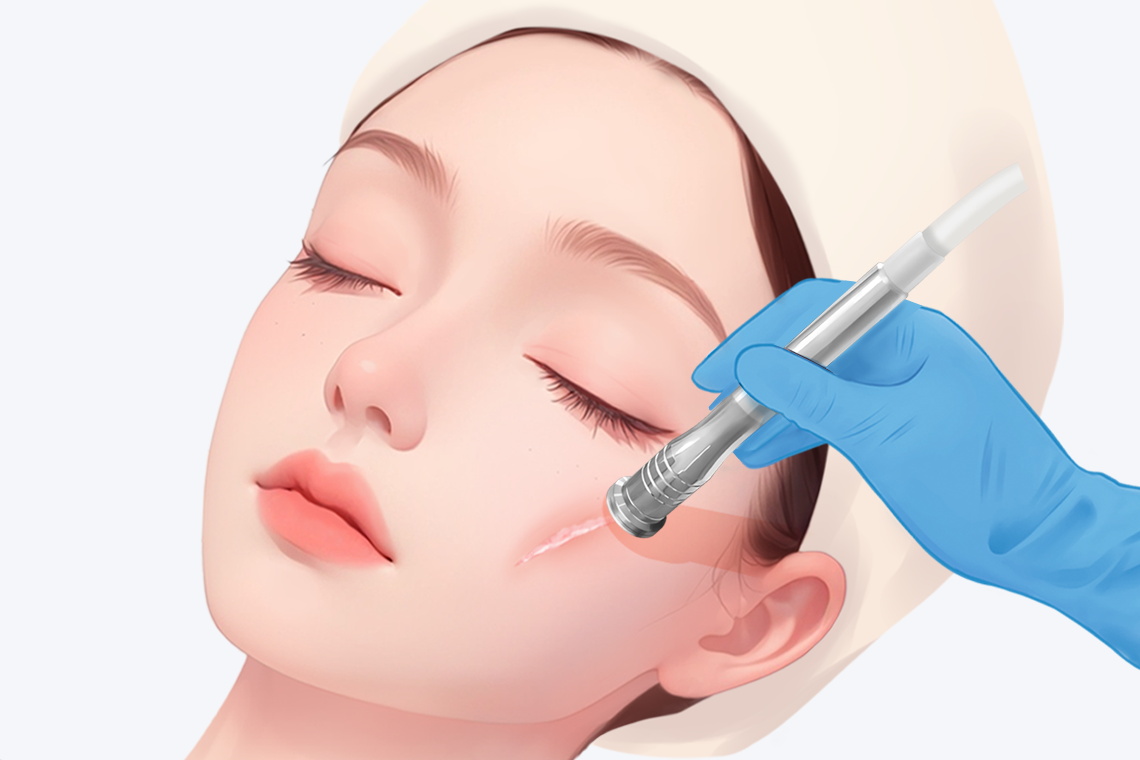
Radiofrequency Microneedling |
Dermabrasion |
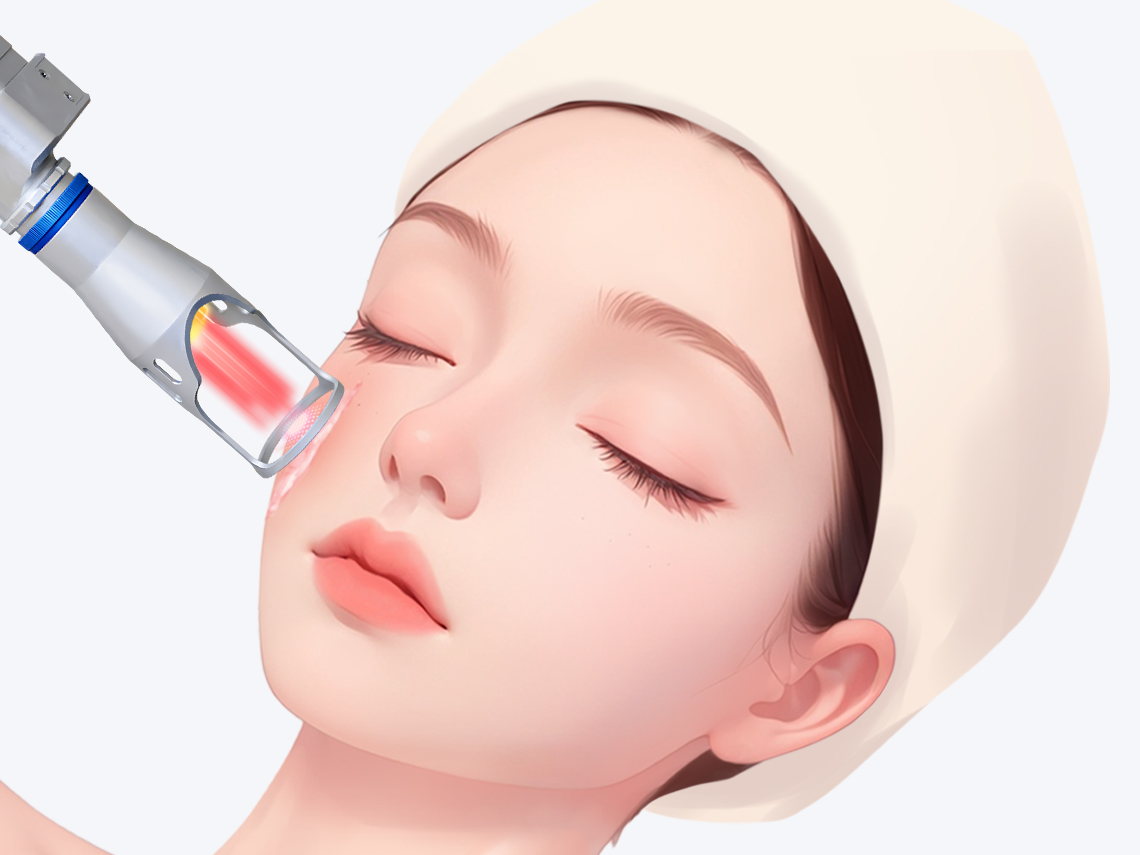
Fractional Laser |
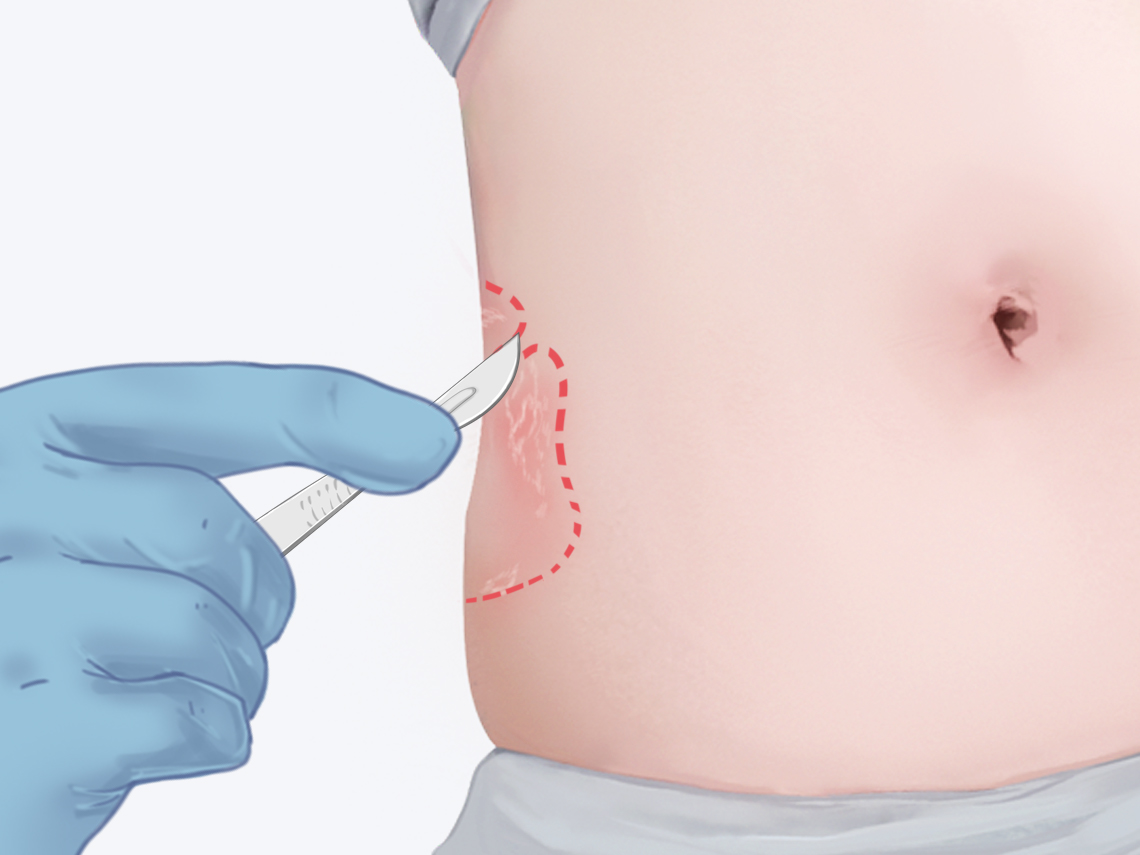
Scar Excision |
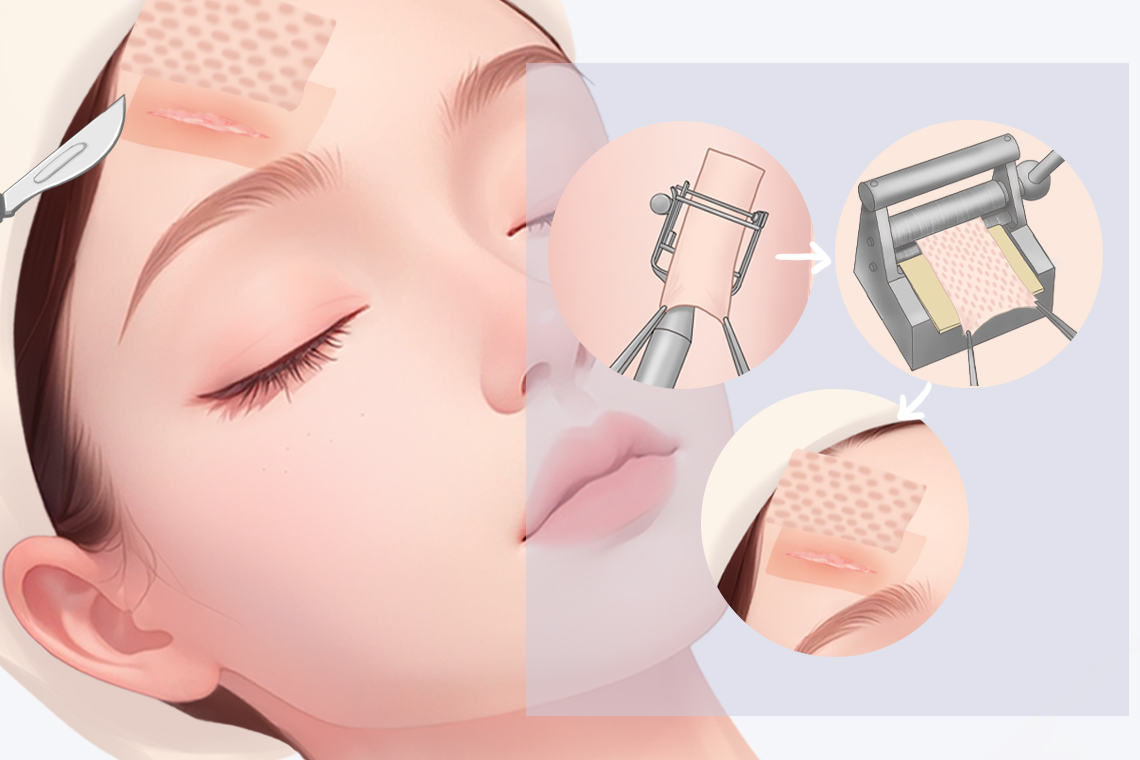
Flap Transplantation |
Image Example |
|
|
|
|
|
Overview |
Penetrates the epidermis to stimulate collagen regeneration |
Abrades the epidermis at the scar site |
Uses laser ablation to remove scars |
Promotes collagen synthesis via fibroblast gene activation |
Transplants a tissue segment composed of skin and subcutaneous tissue to the scar area |
Potential Risks |
1. May cause skin allergy 2. May lead to redness and swelling |
1. Prone to cause hyperpigmentation 2. May trigger facial infections |
1. Risk of skin burns 2. Susceptible to skin infection |
1. Likely to cause pain 2. Wound may bleed easily |
1. May damage nerves 2. May damage blood vessels |
Reference Price |
5,000–40,000 CNY per session |
2,000–3,000 CNY per session |
3,000–6,000 CNY per session |
3,000–9,000 CNY per session |
10,000–20,000 CNY per session |
Duration of Effect |
5–10 years |
2–3 years |
1–3 years |
3–5 years |
10–20 years |

If you wish to remove surgical scars, it is recommended to consult a reputable local hospital promptly, understand your individual condition, and follow medical advice for appropriate treatment.




