


Is it normal to have a fever but no rash after receiving the MMR vaccine?
Dec 12, 2025
Source: Cainiu Health

Dr. Liu Wenmin
Introduction
In general, the MMR vaccine refers to the combined live attenuated vaccine for measles, mumps, and rubella. Whether it is normal to develop a fever without a rash after vaccination depends on the specific circumstances. If symptoms persist or worsen, prompt medical attention is recommended. After vaccination, it's important to closely monitor your physical condition. When experiencing fever, physical cooling methods such as drinking adequate water, reducing clothing, and wiping the forehead and armpits with lukewarm water can be helpful.
In general, the MMR vaccine refers to the combined live attenuated vaccine for measles, mumps, and rubella. Whether it is normal to develop a fever without a rash after vaccination depends on the specific circumstances. If symptoms persist or worsen, prompt medical attention is recommended. The detailed analysis is as follows:
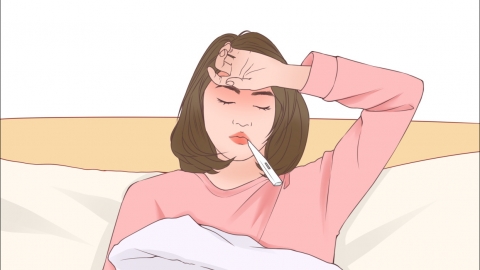
A fever without rash following MMR vaccination may be considered a normal immune response under certain conditions. If the body temperature does not exceed 38.5°C, the fever occurs within 1–2 weeks after vaccination and lasts no more than three days, and there are no other discomfort symptoms, this reaction is typically normal. As a live attenuated vaccine, MMR stimulates the body's immune response. Some individuals may only experience fever without developing a rash, which is related to individual differences in constitution and generally does not require excessive concern.
However, if the fever exceeds 38.5°C and lasts longer than three days, or is accompanied by abnormal symptoms such as severe headache, vomiting, lethargy, or rapid breathing, this is not considered a normal reaction—even in the absence of a rash. Such symptoms may indicate an adverse reaction to the vaccine or a coincidental infection, and timely medical evaluation is necessary to identify the cause and prevent delayed treatment.
After vaccination, close attention should be paid to physical condition. During fever, physical cooling methods such as drinking adequate fluids, reducing clothing, and wiping the forehead and armpits with lukewarm water can help reduce body temperature. Ensure sufficient rest and consume light, easily digestible meals, avoiding spicy or irritating foods. Keep the injection site clean and dry, and avoid scratching to prevent infection. Closely monitor changes in body temperature and overall well-being, and take appropriate action promptly if any abnormalities occur, which will help the body better adapt to post-vaccination reactions.





