What material is best for tear trough filling?
Sep 11, 2024
Source: Cainiu Health

Dr. Han Xuefeng
Introduction
Generally speaking, there is no definitive answer to the question of "which material is best for tear trough filling," as each material has its own unique advantages and disadvantages. The choice of material depends on individual circumstances, specific needs, and the doctor's recommendation. Commonly used materials for tear trough filling include hyaluronic acid, collagen, and autologous fat. If treatment is desired, it is recommended to consult a reputable medical facility.
In general, there is no definitive answer to the question of "which material is best for tear trough filler," as each type of material has its own unique advantages and disadvantages. The choice of material depends on individual circumstances, specific needs, and the advice of a qualified physician. Commonly used materials for tear trough filling include hyaluronic acid, collagen, and autologous fat.
Material Type |
Hyaluronic Acid |
Collagen |
Autologous Fat |
Image Example |
|
|
|
Overview |
Injecting hyaluronic acid into the tear trough area to provide structural support to the skin |
Injecting collagen to support skin structure and maintain skin elasticity |
Harvesting fat from another part of the body, processing it, and injecting it into the tear trough to support the skin |
Advantages |
1. Noticeable results 2. Smoother, firmer skin |
1. Minimal side effects 2. Natural-looking results |
1. No risk of immune rejection 2. Abundant source material |
Duration of Results |
6–12 months |
9–12 months |
10–20 years |
Potential Risks |
1. Skin irregularities 2. Vascular occlusion |
1. Unnatural appearance 2. Swelling, redness, and pain |
1. Fat liquefaction 2. Skin irregularities |
Reference Price |
5,000–10,000 RMB per session |
4,000–9,000 RMB per session |
6,000–12,000 RMB per session |


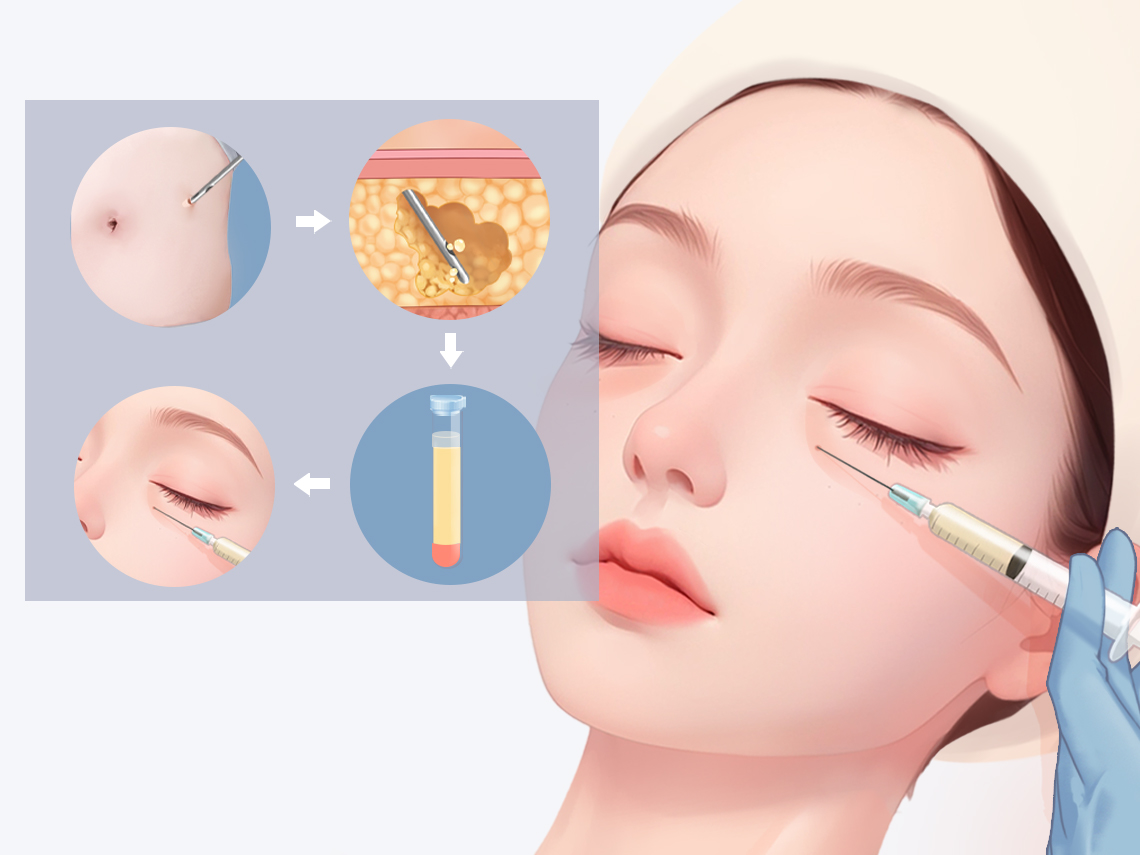
If you are considering treatment, it is recommended to consult a reputable medical facility. After the filler procedure, keep the tear trough area clean and practice a light diet to help reduce the risk of infection.