How much does eye laser surgery cost?
Nov 01, 2024
Source: Cainiu Health

Dr. Wang Shuai
Introduction
LASIK surgery: reference price 5,000–15,000 yuan per session;
Semi-Femtosecond laser myopia surgery: reference price 10,000–16,000 yuan per session;
All-Femtosecond laser myopia surgery: reference price 18,000–25,000 yuan per session;
ICL implantable collamer lens surgery: reference price 30,000–40,000 yuan per session, etc.
In general, laser eye surgery can be divided into four types, with the following reference prices: PRK/LASIK (Excimer Laser Surgery), approximately 5,000–15,000 yuan per session; Femto-LASIK (Semi-Femtosecond Laser Surgery), approximately 10,000–16,000 yuan per session; SMILE (Full-Femtosecond Laser Surgery), approximately 18,000–25,000 yuan per session; and ICL (Implantable Collamer Lens) surgery, approximately 30,000–40,000 yuan per session. Factors influencing the cost of laser eye surgery include hospital and surgeon qualifications, regional differences, surgical equipment, and operating environment.
Different types of laser eye surgeries and their reference prices:
Procedure Name |
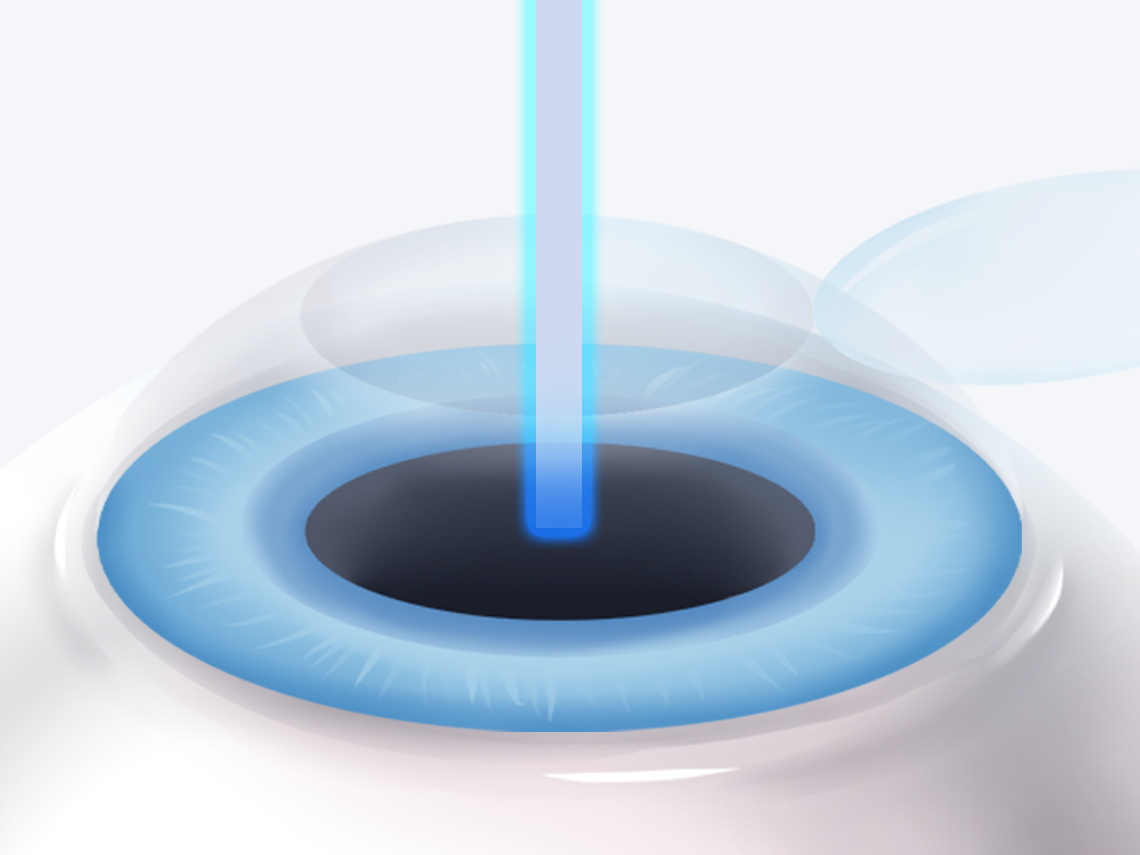
Excimer Laser Surgery |
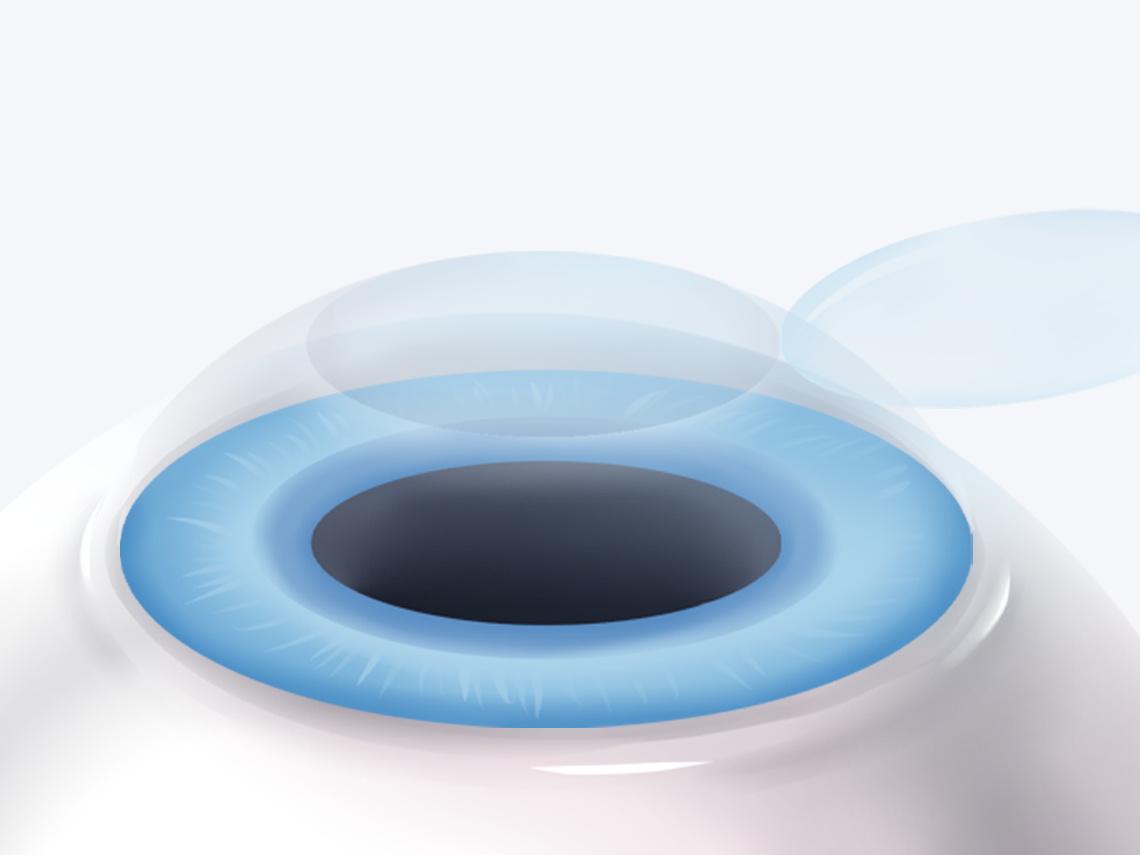
Semi-Femtosecond Laser Surgery |
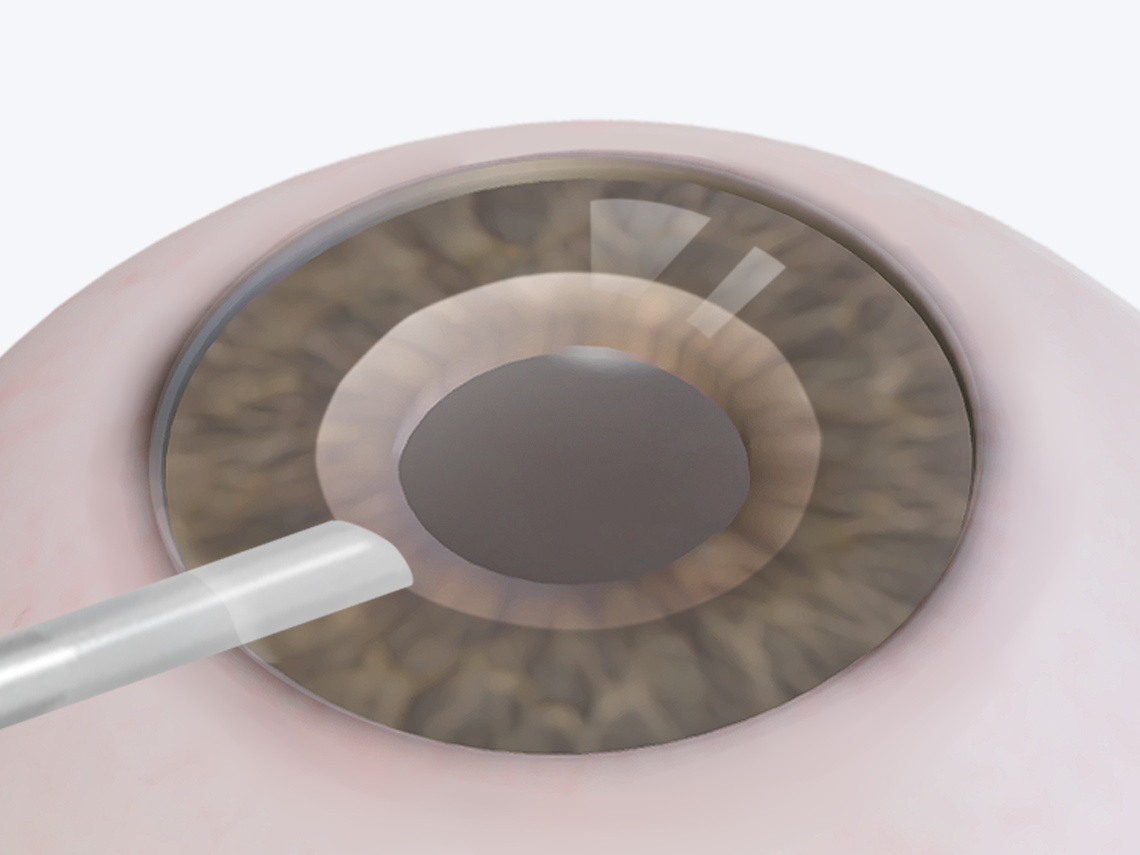
Full-Femtosecond Laser Surgery (SMILE) |
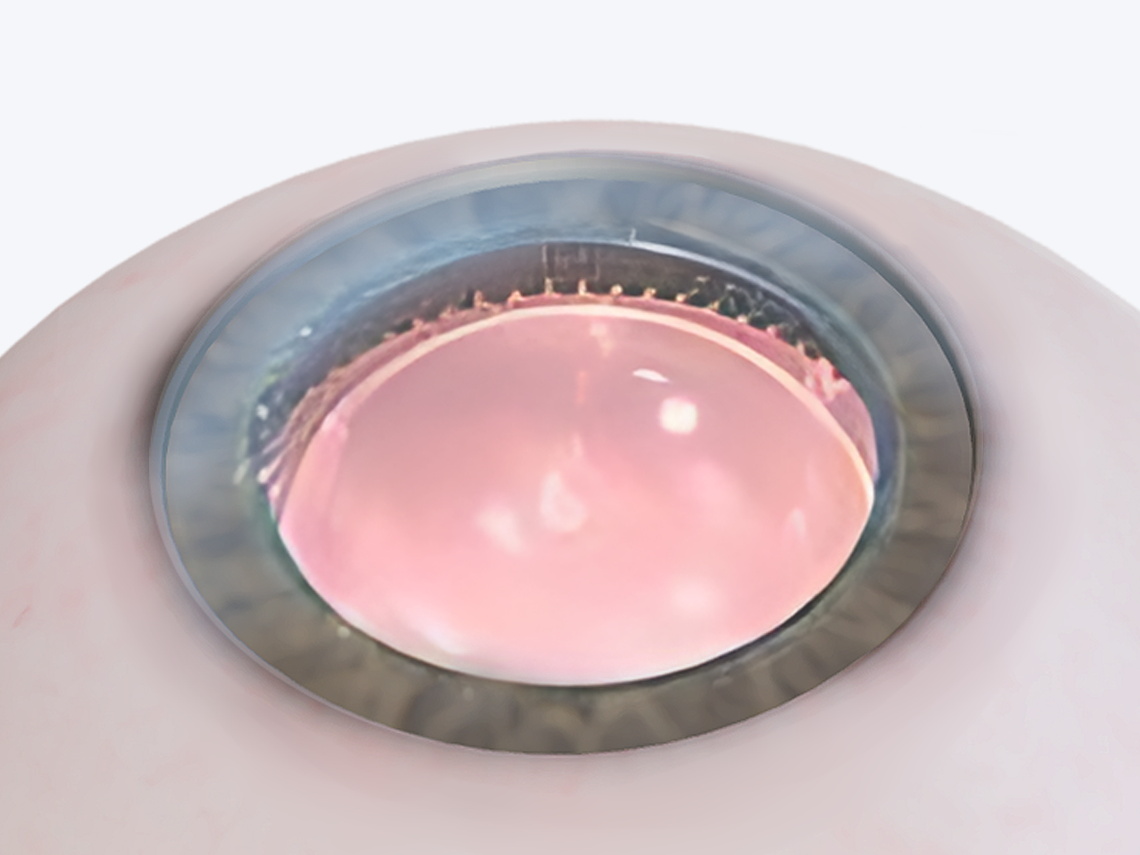
ICL Implantation |
Reference Price |
5,000–15,000 yuan/session |
10,000–16,000 yuan/session |
18,000–25,000 yuan/session |
30,000–40,000 yuan/session |
Principle |
Laser reshapes the cornea by altering its curvature |
Femtosecond laser creates a flap, followed by excimer laser ablation of the corneal stroma |
Femtosecond laser creates and removes a lenticule to correct vision |
An artificial lens is implanted inside the eye to correct vision |
Illustration |
|
|
|
|
Suitable Candidates |
Individuals over 18 years old with stable refractive error and adequate corneal thickness |
Those requiring correction across a wide range of refractive errors and who meet corneal requirements for laser surgery |
People with myopia up to 900 degrees, sufficient corneal thickness, or those who enjoy sports |
Patients with high myopia ≥1000 degrees; also suitable for moderate-to-high myopia with thin corneas |
Recovery Period |
1–3 months |
1–2 days |
1–2 days |
3–7 days |
Duration of Effect |
25–30 years |
25–30 years |
25–30 years |
25–30 years |
Advantages |
1. High precision |
1. Stable results |
1. Small incision |
1. No corneal cutting required |
Potential Risks |
1. Dry eye risk |
1. Corneal flap displacement |
1. Pupil dilation |
1. Cataract development |
Factors affecting cost:
1. Hospital and surgeon qualifications
Hospitals with higher reputations and advanced equipment typically charge more. Additionally, experienced surgeons can deliver better outcomes, making surgeon expertise a key factor in pricing.
2. Regional differences
Variations in local living costs and healthcare resource distribution lead to price differences. Generally, procedures in first-tier or economically developed cities are more expensive, while those in second- and third-tier or less-developed regions are relatively lower.
3. Surgical equipment and environment
Advanced technology and optimal surgical environments enhance safety and effectiveness but increase costs. Hospitals using state-of-the-art equipment and providing superior facilities may charge higher fees.
It is recommended to choose reputable, professional medical institutions to ensure both safety and effectiveness of the procedure.