


What are the symptoms of patients with spleen and stomach deficiency-cold?
Nov 21, 2024
Source: Cainiu Health

Dr. Zhang Xiuhong
Introduction
Under normal circumstances, symptoms of patients with spleen-stomach deficiency-cold mainly include loss of appetite, abdominal distension, cold limbs, fatigue, and loose stools. If discomfort occurs, it is recommended to seek timely medical attention and receive treatment under the guidance of a qualified physician. In daily life, one should maintain regular eating habits, avoid excessive consumption of raw, cold, or greasy foods, and maintain a healthy lifestyle, such as engaging in moderate exercise, to promote spleen and stomach health.
Generally, the symptoms of patients with spleen-stomach deficiency-cold mainly include poor appetite, abdominal distension, cold limbs, fatigue, and loose stools. If discomfort occurs, it is recommended to seek timely medical treatment under the guidance of a qualified physician. A detailed analysis is as follows:
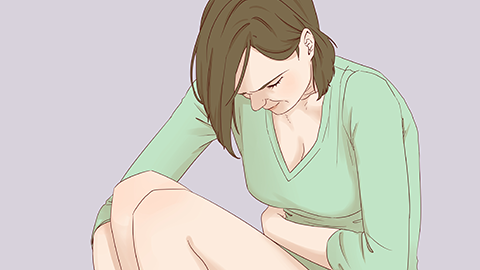
1. Poor Appetite: Patients with spleen-stomach deficiency-cold often experience poor appetite, reduced desire for food, and decreased food intake. This is because impaired spleen and stomach functions hinder effective digestion and absorption of food, thereby decreasing the body's demand for nourishment.
2. Abdominal Distension: Abdominal distension is a common symptom of spleen-stomach deficiency-cold. Due to weakened spleen and stomach functions, food remains in the gastrointestinal tract for an extended period, producing gas and waste, leading to a feeling of fullness and discomfort in the abdomen.
3. Cold Limbs: Patients often feel cold in their limbs, especially the hands and feet. This occurs because internal coldness affects the circulation of qi and blood, resulting in poor peripheral blood circulation.
4. Fatigue: Patients with spleen-stomach deficiency-cold tend to feel tired and lack energy. This is due to weakened spleen and stomach functions, which fail to supply sufficient nutrition and energy to the body, resulting in a decline in overall bodily functions.
5. Loose Stools: Patients often have loose, unformed stools, which may even be accompanied by diarrhea. This is because impaired spleen and stomach functions cannot effectively digest and absorb food, leading to excessive water content in the intestines and changes in stool consistency.
In daily life, it is important to maintain regular eating habits, avoid excessive consumption of raw, cold, or greasy foods, and maintain healthy lifestyle practices such as moderate exercise to promote spleen and stomach health.






