


Can patients with fatty liver disease eat beef or mutton?
Nov 22, 2024
Source: Cainiu Health

Dr. Gao Jun
Introduction
In general, fatty liver refers to a condition where excessive fat accumulates in the liver due to various causes, exceeding 5% of the liver's weight, thereby affecting its normal function. Whether patients with fatty liver can consume beef or mutton should be determined based on the severity of their condition. For mild fatty liver, moderate consumption of beef or mutton is usually acceptable; however, for moderate to severe fatty liver, consuming beef or mutton is generally not recommended.
Generally, fatty liver refers to a condition where excessive fat accumulates in the liver due to various causes, exceeding 5% of the liver's weight, thereby affecting its normal function. Whether patients with fatty liver can consume beef and mutton depends on the severity of their condition. If it is mild fatty liver, eating beef and mutton in moderation is usually acceptable; however, for moderate to severe fatty liver, consumption of beef and mutton is generally not recommended. Detailed explanations are as follows:
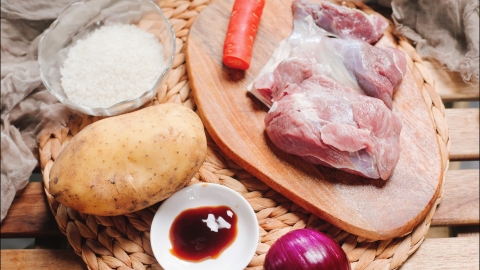
Beef and mutton are sources of high-quality protein and also contain nutrients such as vitamins, amino acids, and trace elements, all of which aid in the repair of liver cells. Moderate consumption is beneficial for recovery. Patients with mild fatty liver who do not have other serious complications, such as hypertension, hyperlipidemia, or diabetes, can consume beef and mutton in moderation.
Patients with moderate to severe fatty liver may have abnormal liver function and could even develop severe complications such as fatty cirrhosis or fatty liver with ascites. Beef and mutton contain high levels of saturated fatty acids, and excessive intake increases the burden on the liver, which is detrimental to the treatment and recovery from fatty liver. At this stage, it is advisable to strictly control the intake of beef and mutton and temporarily avoid consuming them.
Patients with fatty liver should maintain a balanced diet, consume adequate amounts of high-quality protein such as soy products, eggs, and milk, and increase their intake of dietary fiber, such as whole grains, mushrooms, fresh vegetables, and fruits. Additionally, patients should engage in regular physical exercise, such as jogging, swimming, cycling, or playing ball games, to help burn excess fat and control the progression of the disease.



