


What should patients with myocarditis eat?
Nov 23, 2024
Source: Cainiu Health

Dr. Tian Hongbo
Introduction
Myocarditis patients can consume fresh vegetables and fruits, high-quality protein foods, bland and easily digestible foods, mineral-rich foods, and low-salt, low-fat foods. Examples include spinach, broccoli, carrots, oranges, strawberries, and kiwifruit. These foods are rich in antioxidants such as vitamin C and vitamin E, which help reduce damage to myocardial cells and enhance the heart muscle's ability to repair itself.
Generally, patients with myocarditis can consume fresh vegetables and fruits, high-quality protein foods, light and easily digestible foods, foods rich in minerals, and low-salt, low-fat foods. The details are as follows:
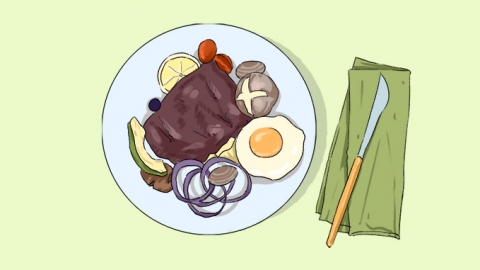
1. Fresh Vegetables and Fruits
Such as spinach, broccoli, carrots, oranges, strawberries, kiwifruits, etc. These foods are rich in antioxidants like vitamin C and vitamin E, which help reduce damage to myocardial cells and enhance the heart muscle's ability to repair itself.
2. High-Quality Protein Foods
Lean meats, fish, eggs, legumes, and soy products are excellent sources of protein. Protein is an essential component of body cells and plays a crucial role in repairing damaged myocardial tissue.
3. Light and Easily Digestible Foods
Such as rice porridge, noodles, and dumplings. These foods do not place excessive burden on the gastrointestinal tract and aid in nutrient absorption.
4. Foods Rich in Minerals
Such as nuts and kelp. Nuts are rich in minerals like magnesium and zinc, which help maintain normal myocardial function; the iodine and other minerals in kelp benefit cardiovascular health.
5. Low-Salt and Low-Fat Foods
Avoid high-salt and high-fat foods such as pickled vegetables and fried foods. A low-salt diet helps control blood pressure and reduces the burden on the heart; a low-fat diet lowers blood lipid levels and reduces the risk of cardiovascular diseases.
In daily life, patients should focus on adequate rest, balanced nutrition, infection prevention, avoiding strenuous exercise, and undergoing regular follow-up examinations and appropriate medication use.





