Can I eat white radish while taking medication?
Nov 23, 2024
Source: Cainiu Health

Dr. Yang Ziqi
Introduction
In general, it is not recommended to consume white radish while taking medication, as it may affect the effectiveness of the drug. If physical discomfort occurs, it is advisable to seek medical attention promptly and receive treatment under the guidance of a qualified physician. In daily life, one should maintain a regular diet, avoid excessive consumption of raw, cold, or greasy foods, and maintain good lifestyle habits, such as engaging in moderate exercise, to promote gastrointestinal health.
Generally, it is not recommended to consume white radish while taking medication, as it may affect the effectiveness of the drug. If physical discomfort occurs, it is advisable to seek timely medical attention and receive treatment under the guidance of a qualified physician. Detailed analysis is as follows:
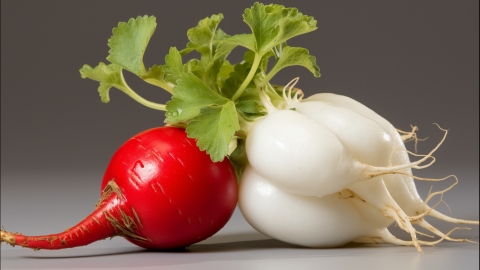
White radish has certain medicinal value, and its components may interact chemically with medications, thereby affecting the efficacy of the drugs. This interaction could alter the absorption, distribution, metabolism, and excretion processes of the medication in the body, potentially reducing its therapeutic effects.
At the same time, if you are taking traditional Chinese medicine (TCM), especially those with tonic properties such as ginseng and astragalus, the white radish's properties of promoting qi movement and aiding digestion may weaken the nourishing effects of these herbs. White radish has a "breaking qi" effect, which may counteract the "invigorating qi" effects of tonic herbs, thus affecting the efficacy of the medicine.
In addition, individuals with certain medical conditions or constitutions may experience worsening symptoms or adverse reactions if they consume white radish while taking medication. For example, individuals with a cold-deficient constitution should be cautious about consuming white radish during medication, as white radish is considered cool in nature and may exacerbate symptoms of cold deficiency.
In daily life, it is important to maintain a regular diet, avoid excessive consumption of raw, cold, or greasy foods, and maintain healthy lifestyle habits, such as engaging in moderate exercise, to promote gastrointestinal health.