


The Efficacy, Functions, and Methods of Consumption of Lily
Nov 25, 2024
Source: Cainiu Health

Dr. Yang Ziqi
Introduction
Lilium has a slightly cold nature and enters the lung meridian; it has the effects of nourishing yin to clear the lungs and moistening dryness to relieve cough. Appropriate consumption of lilium can be used to treat symptoms such as dry cough with little phlegm, hemoptysis, dry throat, and hoarseness caused by yin deficiency and lung dryness with heat. It can also alleviate chronic cough due to lung deficiency. Lilium is commonly combined with Adenophora root, Ophiopogon tuber, Farfugium flower, Sichuan Fritillary bulb, and Scrophularia root to treat yin deficiency with dry cough and labor-induced hemoptysis.
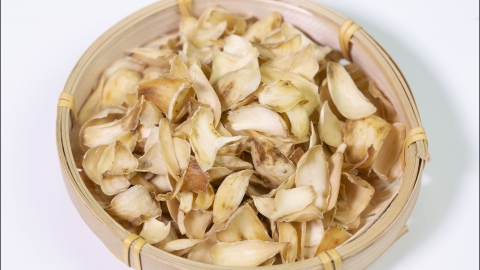
Generally speaking, lily (Lilium brownii) has various functions and benefits, including nourishing yin and moistening the lungs, clearing the heart and calming the mind, beautifying the complexion, moistening the lungs to relieve cough, and enhancing immunity. Lily can be consumed in various ways, such as steaming fresh lily, stewing lily soup, stir-frying lily with vegetables, cooking lily porridge, and brewing lily tea. Details are as follows:
I. Functions and Benefits
1. Nourish Yin and Moisturize the Lungs: Lily is slightly cold in nature and enters the lung meridian. It functions to nourish yin and clear the lungs while moistening dryness and relieving cough. Consuming an appropriate amount of lily can treat symptoms such as dry cough with little phlegm, hemoptysis, dry throat, hoarseness, and chronic cough caused by deficiency and heat in the lungs due to yin deficiency. Lily is commonly used together with other herbs such as Adenophora root (Shāshēn), Ophiopogon root (Màidōng), Farfarae flower (Kuǎndōnghuā), Fritillaria bulb (Chuānbèimǔ), and Scrophulariae root (Xuánshēn) for treating yin deficiency with dry cough or coughing blood due to internal heat.
2. Clear the Heart and Calm the Mind: Lily enters the heart meridian and is slightly cold in nature. It nourishes the yin of the heart and lungs while clearing heat from these organs. It has the effect of clearing the mind, relieving irritability, and calming the spirit. Consuming lily appropriately can be used to treat symptoms such as mental confusion, insomnia with vivid dreams, and emotional depression. Lily is often combined with Zizyphi Semen (Suānzǎorén), Platycladi Semen (Bǎizǐrén), Anemarrhenae Rhizoma (Zhīmǔ), and others to treat insomnia caused by internal heat due to yin deficiency.
3. Beautify the Complexion: The fresh form of lily is rich in mucilage and various vitamins, which are beneficial for skin cell metabolism, making the skin delicate and elastic, thereby reducing wrinkles. Appropriate consumption of lily can help beautify the complexion.
4. Moisturize the Lungs and Relieve Cough: Lily has the function of clearing heat, resolving phlegm, moisturizing the lungs, and relieving cough. The mucilage it contains lubricates the airways, dilutes sputum, and thus alleviates coughing and expectoration.
5. Enhance Immunity: Lily is rich in vitamin C, vitamin B1, vitamin B2, niacin, calcium, phosphorus, and other nutrients. These components can enhance the body's immunity and improve resistance to diseases. Pharmacological studies have also found that various alkaloids in lily can stimulate and enhance the function of immune cells, thereby improving the body's immunity, and helping prevent diseases such as viral hepatitis.
II. Methods of Consumption
1. Steamed Fresh Lily: Wash fresh lily thoroughly and steam it directly in a steamer. During steaming, a small amount of salt, oil, or other seasonings can be added to enhance the flavor. The steaming time depends on the size and thickness of the lily; generally, it is ready when the lily becomes soft and turns translucent.
2. Lily Soup: Lily can be stewed with various ingredients such as Adenophora root (Shāshēn), Ophiopogon root (Màidōng), and Lotus seed (Liánzǐ). Place the lily and other ingredients into a pot, add an appropriate amount of water, and stew until the ingredients are tender and the soup is rich. Seasonings such as salt and chicken essence can be added to enhance the taste of the soup.
3. Stir-fried Lily: Fresh lily can be stir-fried with vegetables such as celery, cucumber, and asparagus. Wash the lily and other vegetables, cut them into appropriate shapes, and stir-fry them. During stir-frying, garlic, salt, chicken essence, and other seasonings can be added to enhance the flavor and texture.
4. Lily Porridge: Lily can be cooked into porridge with rice, red dates, lotus seeds, and other ingredients. Place the lily and other ingredients into a pot, add an appropriate amount of water, and cook until the porridge is soft and well-done. During cooking, an appropriate amount of rock sugar or brown sugar can be added to enhance the taste and nutritional value of the porridge.
5. Lily Tea: Wash dried or fresh lily and place it into a teacup. Add an appropriate amount of boiling water, steep for several minutes, and then drink. When brewing tea, ingredients such as Lycium fruit (Gǒuqǐzi) and American ginseng (Xīyángshēn) can be added to enhance the flavor and health benefits of the tea.
When selecting lily, choose high-quality lily that is soft in texture, white in color, and free of unpleasant odors. During cooking, pay attention to the heat intensity and cooking time to preserve the texture and nutritional value of the lily.






