


Is smallpox the same as chickenpox?
Nov 27, 2024
Source: Cainiu Health

Dr. Liu Wenmin
Introduction
Under normal circumstances, smallpox is not chickenpox, and there are differences between the two. Patients are advised to seek medical attention promptly if problems arise and to follow medical instructions for treatment. Smallpox is an acute infectious disease caused by the variola virus. In daily life, vaccination can reduce the likelihood of developing chickenpox and smallpox. Additionally, if skin issues occur, prompt treatment is recommended along with maintaining a light diet.
Under normal circumstances, smallpox is not chickenpox, and there are differences between the two. It is recommended that patients seek medical attention promptly when problems arise and follow medical advice for treatment. Detailed analysis is as follows:
Smallpox is a highly contagious infectious disease caused by the variola virus. It is characterized by strong infectivity, severe illness, and a high mortality rate. The smallpox virus mainly spreads through droplets and direct contact. After infection, patients may experience high fever, headache, vomiting, and other systemic symptoms. Extensive rashes appear within a few days after the onset of illness. These rashes gradually develop into macules, papules, vesicles, and pustules, followed by scabbing that typically leaves lifelong depressed scars.
Chickenpox is an acute respiratory infectious disease caused by the varicella-zoster virus. Symptoms in patients with chickenpox are relatively mild, mainly manifested as fever and generalized rashes. The rash distribution is typically centripetal, with more lesions on the trunk and fewer on the limbs. Scarring is uncommon after the rash resolves. The disease course is generally 1-2 weeks, and it is usually self-limiting.
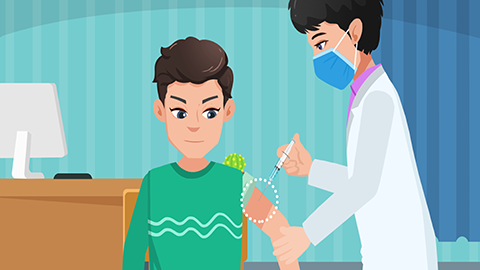
In daily life, vaccination can reduce the likelihood of developing chickenpox and smallpox. Additionally, if skin issues occur, timely treatment is recommended along with maintaining a bland diet.








