What should I do for an allergy to ultraviolet light?
Nov 27, 2024
Source: Cainiu Health

Dr. Liu Wenmin
Introduction
During periods of strong sunlight, patients with UV allergies should minimize going outdoors as much as possible. If going out is necessary, comprehensive sun protection measures should be taken, including wearing protective clothing such as long-sleeved shirts, long pants, wide-brimmed hats, and sunglasses to reduce direct skin exposure to sunlight. During treatment, it is important to maintain patience and confidence, following the doctor's instructions for therapy and management.
Generally, UV allergy can be treated through physical sun protection, cold compresses, medication, dietary regulation, phototherapy and immune tolerance therapy. The specific methods are as follows:
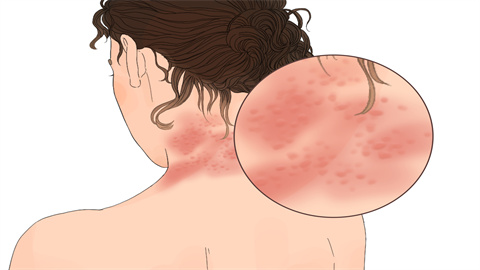
1. Physical Sun Protection: During periods of intense sunlight, individuals with UV allergies should minimize going outdoors. If going out is necessary, comprehensive sun protection measures should be taken, including wearing protective clothing such as long-sleeved shirts, long pants, wide-brimmed hats, and sunglasses to reduce direct skin exposure to sunlight.
2. Cold Compress Relief: After UV exposure, allergic reactions may cause symptoms such as redness, swelling, and itching. At this time, cold compresses can be used to alleviate symptoms. Soak a towel or gauze in cold water and apply it to the affected area for 15–20 minutes each time, multiple times daily, to help soothe the skin and reduce inflammation.
3. Medication: Under a doctor's guidance, antiallergic medications such as chlorpheniramine maleate tablets, cetirizine hydrochloride tablets, or loratadine tablets can be taken. Topical medications, such as hydrocortisone cream, zinc oxide ointment, or calamine lotion, may also be used according to medical advice to relieve allergic reactions.
4. Dietary Regulation: Patients with UV allergies should regularly consume foods rich in vitamin C, such as tomatoes, lemons, and kiwifruit, as well as foods rich in antioxidants like walnuts, peanuts, and lotus seeds, which can help enhance skin resistance. Avoid photosensitive foods such as celery, coriander, and leeks, which are light-reactive vegetables.
5. Phototherapy and Immune Tolerance Therapy: For patients with recurrent UV allergies, phototherapy under the guidance of a specialist may be considered to gradually increase tolerance to UV radiation. Narrowband medium-wave ultraviolet (NB-UVB) irradiation therapy can be administered, starting with a low dose that is gradually increased to achieve immune tolerance.
During treatment, it is important to remain patient and confident, following medical instructions for treatment and adjustment. Regular follow-up visits are also crucial to promptly detect and manage any issues.