


What Are the Symptoms of UV Allergy?
Apr 17, 2022
Source: Cainiu Health

Dr. Liu Wan
Introduction
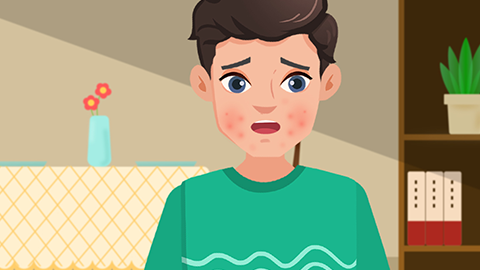
Ultraviolet (UV) allergy refers to an allergic reaction triggered by sunlight exposure on exposed areas of the body, such as the face and limbs. Upon UV exposure, the skin may develop symptoms including erythema, papules, and vesicles. Generally, the longer the duration of UV exposure, the more severe the symptoms are considered to be. Additionally, this condition predominantly occurs in areas with intense sunlight; regions at high altitudes—where UV radiation is particularly strong—are also prone to UV allergy.
Prolonged exposure to ultraviolet (UV) radiation can cause sunburn to the skin. During summer, UV radiation from sunlight is particularly intense; thus, extended outdoor activity without adequate sun protection significantly increases the risk of sunburn. Some individuals have sensitive skin, while others may develop allergic reactions upon excessive UV exposure. So, what are the symptoms of UV allergy?
What Are the Symptoms of UV Allergy?
UV allergy refers to an allergic reaction triggered by sunlight exposure on exposed areas such as the face and limbs. Upon sun exposure, affected skin may develop erythema (redness), papules, or vesicles. Generally, the longer the duration of UV exposure, the more severe the symptoms tend to be. Moreover, this condition predominantly occurs in areas with intense sunlight—such as high-altitude regions where UV radiation is especially strong.

Prevention is the primary approach for managing UV allergy. Daily sun protection is essential; when outdoors, wear appropriate protective gear. Sunscreen must be applied thoroughly to exposed areas—including the face and limbs. Additionally, dietary considerations are important: avoid phototoxic foods such as cilantro, celery, and lettuce, and minimize intake of spicy or irritating foods to prevent exacerbation of allergic symptoms. For localized flare-ups, topical application of soothing ointments (e.g., thermal mask ointment) is recommended. In cases of severe pruritus (itching), topical corticosteroid preparations may be used.
In daily life, consistent protective measures should be taken to avoid prolonged sun exposure. We hope this information proves helpful to you!



