How to remove acne marks on the face
Nov 27, 2024
Source: Cainiu Health

Dr. Liu Wenmin
Introduction
Under normal circumstances, acne marks on the face may be related to improper skin care, unhealthy dietary habits, excessive stress, ultraviolet radiation, hormonal imbalances, and other factors. Patients can wait for the acne marks to fade by using oil-control products, maintaining facial cleanliness, avoiding excessive exfoliation, avoiding sun exposure, and receiving medical treatment. It is recommended to visit a hospital to determine the underlying cause and follow the doctor's instructions for treatment.
Under normal circumstances, acne marks on the face may be related to improper skin care, unhealthy eating habits, excessive stress, ultraviolet radiation, endocrine disorders, and other factors. Patients can wait for the acne marks to fade through the use of oil-control products, maintaining facial cleanliness, avoiding excessive exfoliation, avoiding sun exposure, and medical treatments. It is recommended to visit a hospital to determine the cause and follow medical advice for treatment. A detailed analysis is as follows:
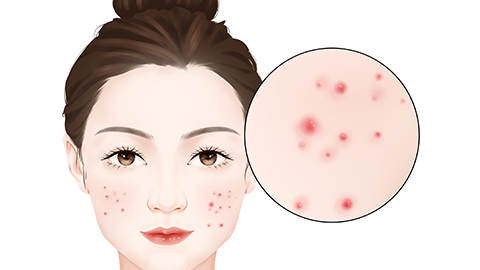
1. Skin type: Oily or combination skin types tend to have excessive sebum secretion, which can easily clog pores and lead to acne. After acne heals, marks are easily left behind. Using oil-control and anti-acne products can help regulate sebum secretion, reduce acne occurrences, and prevent the formation of acne marks.
2. Insufficient skin self-repair capability: After acne clears, the skin requires time for self-repair. If the repair capability is insufficient, acne marks may form. It is recommended to maintain facial cleanliness, avoid excessive squeezing of pimples, and reduce skin damage.
3. Improper skin care: Incorrect skin care methods, such as over-exfoliation or using irritating products, may damage the skin barrier, worsen acne marks, and may also cause skin sensitivity and redness. Mild, non-irritating skin care products can be selected, and over-exfoliation should be avoided.
4. UV damage: Long-term exposure to sunlight means UV radiation can stimulate melanin production, darkening existing acne marks and making them harder to fade. It can also lead to dryness and aging of the skin. It is recommended to use high SPF sunscreen daily and avoid sun exposure.
5. Rosacea: Rosacea is a chronic inflammatory skin condition. Repeated inflammation can lead to skin pigmentation and acne marks, which may be accompanied by facial flushing and dilated capillaries. It is recommended that patients use medications such as fusidic acid cream, adapalene gel, and leucojum aestivum extract cream under the guidance of a physician to alleviate symptoms.
In daily life, maintaining good sleeping habits and getting sufficient rest can help the skin recover. Keeping the skin moisturized also helps promote skin repair and fade acne marks.