


What are the symptoms of Ménière's syndrome?
Nov 28, 2024
Source: Cainiu Health

Dr. Lu Cheng
Introduction
Meniere's syndrome, also known as Ménière's disease, is a disorder affecting the inner ear, primarily characterized by abnormally increased fluid pressure within the inner ear, leading to a series of distinct symptoms. Common symptoms of Meniere's syndrome include vertigo, hearing loss, tinnitus, a feeling of fullness in the ear, and nystagmus. If discomfort occurs, it is recommended to seek medical attention promptly.
Meniere's syndrome, also known as Meniere's disease, is a disorder affecting the inner ear, primarily characterized by abnormally increased fluid pressure within the inner ear, leading to a series of characteristic symptoms. Generally, symptoms of Meniere's disease include vertigo, hearing loss, tinnitus, ear discomfort, nystagmus, and others. If experiencing any discomfort, timely medical attention is recommended. Detailed analysis is as follows:
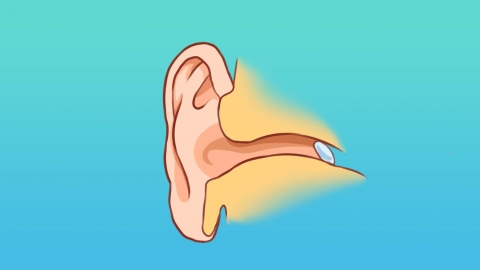
1. Vertigo
Patients with Meniere's disease may suddenly feel that either themselves or surrounding objects are spinning. This sensation of vertigo typically presents as a feeling of the world spinning and is often sudden in onset. It may be accompanied by autonomic reflex symptoms such as nausea, vomiting, pallor, cold sweats, and decreased blood pressure.
2. Hearing Loss
Hearing loss is a common symptom in patients with Meniere's disease, and this hearing impairment may gradually worsen. The hearing loss may occur during episodes of vertigo and may partially or completely recover during the intervals between episodes.
3. Tinnitus
Tinnitus may intensify before an episode of vertigo and subside when the attack stops. As the condition progresses, the tinnitus may vary in sound quality, such as resembling wind, buzzing cicadas, whistling, or a blowing sound, and may persist.
4. Ear Discomfort
During episodes of vertigo, patients may experience a feeling of fullness, pressure, or heaviness inside the ear. Sometimes, they may also feel a burning pain or itching around the ear.
5. Nystagmus
Some patients may also experience nystagmus, which refers to involuntary eye tremors occurring when vertigo reaches its peak.
It is recommended that patients undergo rehabilitation exercises under a doctor's guidance, which may aid in recovery. Additionally, patients should maintain ear hygiene to prevent infections and undergo regular physical examinations during treatment for timely intervention when necessary.







