


What does it mean if the mean corpuscular volume (MCV) is low?
Nov 28, 2024
Source: Cainiu Health

Dr. Liu Feng
Introduction
Low mean corpuscular volume (MCV) of red blood cells may be caused by long-term malnutrition, genetic factors, iron deficiency anemia, megaloblastic anemia, thalassemia, or other conditions. If abnormalities are detected, it is recommended to seek timely medical evaluation at a hospital to determine the underlying cause and receive targeted treatment. It is also advised to maintain a healthy lifestyle with regular作息 (作息 should be translated as作息 habits or作息 pattern), ensure adequate sleep, improve dietary structure, and adjust overall physical condition.
Low mean corpuscular volume (MCV) of red blood cells may be caused by long-term malnutrition, genetic factors, iron deficiency anemia, megaloblastic anemia, or thalassemia. If abnormalities are detected, it is recommended to seek timely medical evaluation at a hospital to determine the underlying cause and receive targeted treatment. Detailed explanations are as follows:
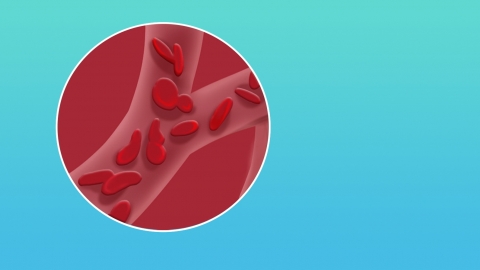
1. Long-term malnutrition: Prolonged picky eating or inadequate food intake may lead to insufficient intake of iron, vitamin B12, and folic acid, thereby affecting the normal production and development of red blood cells. It is recommended to consume more protein-rich and vitamin-rich foods, such as milk, eggs, apples, and oranges, to replenish deficient nutrients and improve the condition of reduced mean red blood cell volume.
2. Genetic factors: Some individuals may have a genetically low mean red blood cell volume, which is usually related to family heredity but may not necessarily accompany obvious disease symptoms. Regular complete blood count (CBC) tests are recommended to monitor red blood cell status and consult a doctor when necessary.
3. Iron deficiency anemia: Insufficient iron intake, increased iron demand, or excessive iron loss can lead to iron deficiency in the body, affecting hemoglobin synthesis and resulting in smaller red blood cells. Symptoms may include dizziness, tinnitus, blurred vision, and pale skin. Iron supplements, such as ferrous sulfate tablets, ferrous gluconate capsules, or ferrous succinate tablets, should be taken under medical guidance. Additionally, consume iron-rich foods such as pork liver, pig blood, and spinach.
4. Megaloblastic anemia: Caused by vitamin B12 or folic acid deficiency, this condition leads to impaired DNA synthesis, preventing normal red blood cell division and maturation, resulting in enlarged red blood cells. Symptoms may include pallor, fatigue, and dizziness. Treatment involves supplementing with folic acid, vitamin B12, and other essential hematopoietic nutrients. Consuming vitamin C-rich foods, such as tomatoes, kiwifruit, and oranges, can also help enhance iron absorption.
5. Thalassemia: This is a genetic disorder caused by impaired synthesis of globin chains, leading to reduced red blood cell volume. Symptoms may include anemia, jaundice, and spleen enlargement. Treatment options generally include splenectomy and bone marrow transplantation.
It is recommended to maintain a healthy lifestyle, ensure adequate sleep, improve dietary habits, regulate physical condition, and promote overall health.



