


How to treat swollen tonsils and how to make them shrink
Nov 28, 2024
Source: Cainiu Health

Dr. Lu Cheng
Introduction
Tonsillar hypertrophy refers to pathological changes in the tonsil tissue, such as congestion, swelling, and proliferation. It is generally caused by physiological enlargement, decreased immunity, acute pharyngitis, bacterial infection, or viral infection. Symptoms can be relieved through surgical treatment, lifestyle adjustments, and following medical advice to use medications such as Loratadine tablets, Amoxicillin capsules, and Oseltamivir phosphate capsules.
Tonsillar hypertrophy refers to pathological changes in the tonsil tissue, such as congestion, swelling, and proliferation. It is generally caused by physiological hypertrophy, weakened immunity, acute pharyngitis, bacterial infection, or viral infection. Symptoms can be alleviated through surgical treatment, lifestyle adjustments, and following medical advice to use medications such as Loratadine Tablets, Amoxicillin Capsules, and Oseltamivir Phosphate Capsules. If abnormalities occur, prompt medical attention is recommended. Detailed analysis is as follows:
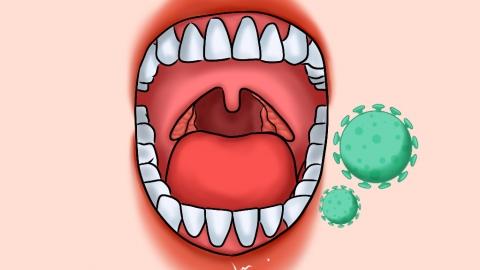
1. Physiological hypertrophy: Physiological tonsillar hypertrophy is a relatively common condition, with varying degrees of enlargement. If the enlargement is mild, there are usually no obvious symptoms, and observation with regular follow-ups may be chosen. If the hypertrophy is severe, it may cause discomfort such as a foreign body sensation in the throat or throat itching. Surgical treatment, such as bilateral tonsillectomy, may be considered.
2. Weakened immunity: Some individuals may develop tonsillar swelling due to poor lifestyle habits such as chronic sleep deprivation and insufficient water intake, which can lead to immune dysfunction and dehydration of the tonsils. It is recommended to adjust lifestyle habits, such as maintaining a healthy diet, quitting smoking, limiting alcohol consumption, and undergoing immune-regulating treatments to enhance overall immunity.
3. Allergic reaction: Some individuals may experience allergic reactions upon exposure to certain allergens, such as pollen, dust, or food, which can cause tonsillar swelling, along with other allergic symptoms like itching, sneezing, and rashes. It is recommended to avoid contact with allergens and follow medical advice for treatment with medications such as Loratadine Tablets, Cetirizine Hydrochloride Tablets, and Montelukast Sodium Tablets.
4. Bacterial infection: Bacterial invasion of the tonsils by pathogens such as Streptococcus or Staphylococcus aureus can lead to local proliferation and cause inflammatory reactions in the tonsils, presenting as congestion, swelling, and abscess formation. Symptoms may include high fever, worsening sore throat, and difficulty swallowing. It is recommended to use medications such as Amoxicillin Capsules, Azithromycin Dispersible Tablets, and Levofloxacin Hydrochloride Capsules under medical guidance to eliminate the bacteria and control the infection.
5. Viral infection: Viruses such as influenza virus, parainfluenza virus, and adenovirus can also cause tonsillitis and swelling upon infecting the tonsils, accompanied by symptoms such as low-grade fever, cough, and runny nose. Treatment may include following medical advice to use antiviral medications such as Oseltamivir Phosphate Capsules, Ribavirin Capsules, and Tenofovir Disoproxil Fumarate Tablets to inhibit viral replication and control the infection.
Additionally, maintaining a healthy lifestyle with proper diet and appropriate exercise is important for overall health in daily life.




