What to do about swelling after circumcision
Nov 28, 2024
Source: Cainiu Health

Dr. Cao Zhiqiang
Introduction
Post-circumcision edema is a common phenomenon, which may be caused by surgical trauma, impaired local blood circulation, infection, overly tight bandaging, and frequent penile erections. It can usually be treated through cold compresses, elevating the affected area, and appropriate medication. In daily life, patients should keep the wound clean and dry, and avoid strenuous activities and sexual stimulation after circumcision.
Edema after circumcision is a common phenomenon, which may be caused by surgical trauma, local circulatory disturbance, infection, overly tight bandaging, and frequent penile erections. It can usually be treated through cold compresses, elevating the affected area, and appropriate medication. The detailed analysis is as follows:
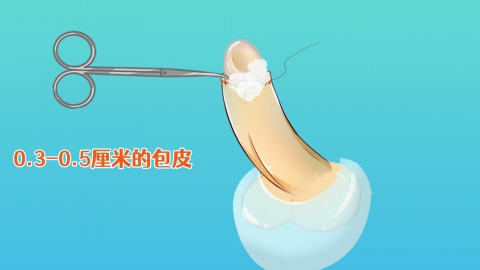
1. Surgical Trauma: Circumcision surgery causes some trauma to the local tissues, leading to exudation of tissue fluid and local inflammatory reactions, which can result in edema. The wound should be kept clean and dry to avoid infection, thus promoting wound healing and resolution of edema.
2. Impaired Local Lymphatic Drainage: After surgery, changes in local tissues and damage to lymphatic vessels may obstruct lymphatic drainage, causing fluid accumulation and resulting in edema. Elevating the affected area to promote lymphatic return, as well as applying local heat compresses or physical therapy, can accelerate the absorption and resolution of edema.
3. Frequent Penile Erections: Frequent penile erections after surgery can stretch the wound, aggravating local tissue congestion and edema. This condition may be accompanied by pain and discomfort. Sexual stimulation should be avoided as much as possible to reduce the frequency of erections.
4. Improper Bandaging: Postoperative bandaging that is too tight or too loose may affect wound healing and edema resolution. Excessively tight bandaging can impede blood circulation and lymphatic drainage, worsening edema; overly loose bandaging may expose the wound, increasing the risk of infection. The treatment involves adjusting the tightness of the bandage to ensure it protects the wound while promoting edema reduction.
5. Infection: If wound care is inadequate after surgery, pathogens such as bacteria may enter the wound and cause infection. Infection leads to local tissue congestion, edema, and symptoms such as pain, redness, swelling, and fever. It is recommended to use medications like Cefazolin Sodium for injection, Acyclovir tablets, and Fluconazole tablets under a doctor's guidance for treatment.
In daily life, patients after circumcision should keep the wound clean and dry, avoid strenuous exercise and sexual stimulation, and follow medical advice for dressing changes and medication therapy.