


What to do about vulvar itching
Nov 28, 2024
Source: Cainiu Health

Dr. Zhang Lu
Introduction
Vulvar pruritus may be caused by wearing synthetic underwear, improper local hygiene, eczema, trichomonas vaginitis, fungal vaginitis, etc. It can usually be treated by changing to a different underwear material, keeping the genital area clean and dry, and using medications such as miconazole nitrate powder, metronidazole-clotrimazole suppositories, or hydrocortisone cream as directed by a physician. If abnormalities persist, prompt medical attention is recommended.
Vulvar itching may be caused by wearing synthetic underwear, improper local hygiene, eczema, fungal vaginitis, etc. It can usually be treated by changing to a different underwear material, keeping the genital area dry and clean, and using medications such as miconazole nitrate powder, metronidazole and clotrimazole suppositories, and hydrocortisone cream as directed by a physician. If symptoms persist, prompt medical attention is recommended. Detailed explanations are as follows:
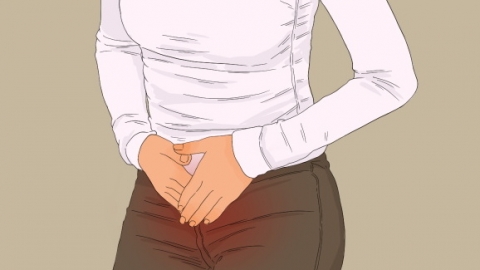
1. Wearing synthetic underwear: Synthetic underwear is not breathable and can cause dampness and irritation of the vulvar skin, leading to itching, redness, and a burning sensation. It is recommended to switch to pure cotton or other breathable underwear and maintain cleanliness and dryness of the vulvar area.
2. Poor local hygiene: Improper cleaning of the vulva can lead to chronic inflammation due to soaking from vaginal discharge, menstrual blood, urine, etc., causing itching, odor, and increased discharge. It is important to improve vulvar hygiene by washing with warm water, avoiding strongly alkaline soaps or cleansers, and ensuring the vulvar area remains dry.
3. Eczema: The vulvar skin may develop eczema due to dampness and friction, causing intense itching, accompanied by redness, erosion, and oozing. As directed by a physician, treatments such as desonide cream, cetirizine hydrochloride tablets, and loratadine tablets may be used. It is also important to keep the vulvar area clean and dry, avoiding irritant cleansers and soaps.
4. Trichomonas vaginitis: Caused by infection with Trichomonas vaginalis, this condition leads to vulvar itching, increased vaginal discharge that is frothy and has an odor. It is recommended to use medications such as metronidazole suppositories, metronidazole and clotrimazole suppositories, and Baofukang suppositories under a physician's guidance.
5. Fungal vaginitis: Caused by fungal infection, it leads to vulvar itching and redness, accompanied by curd-like vaginal discharge. As directed by a physician, medications such as miconazole nitrate powder, fluconazole capsules, and clotrimazole vaginal tablets may be used for treatment.
During treatment, it is important to maintain cleanliness and dryness of the vulvar area, avoid wearing synthetic underwear and tight pants, and eliminate sources of irritation. Additionally, maintaining good living habits and sleep patterns to enhance overall immunity will aid in recovery from the illness.





