


What should I do if a boil on the vulva ruptures and starts discharging pus?
Dec 01, 2025
Source: Cainiu Health

Dr. Sun Lianqing
Introduction
When a vulvar boil ruptures and discharges pus, management measures include gently cleaning the abscess cavity, carefully draining any remaining pus, applying antibacterial ointment, keeping the area dry and well-ventilated, and wearing loose cotton clothing. Gently rinse the vulva with warm water, avoiding vigorous rubbing. Then use a sterile cotton swab dipped in saline solution to gently wipe the abscess cavity and surrounding skin to remove surface pus and debris.
Generally, when a vulvar boil ruptures and discharges pus, management measures include gently cleaning the abscess cavity, carefully draining any remaining pus, applying antibacterial ointment, keeping the area dry and well-ventilated, and wearing loose cotton clothing. Specific details are as follows:
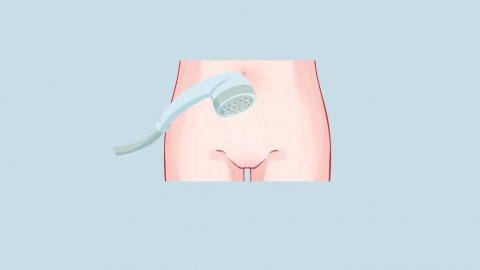
1. Gently clean the abscess cavity: Wash the vulva gently with warm water, avoiding vigorous rubbing. Then use a sterile cotton swab dipped in normal saline to lightly wipe the abscess cavity and surrounding skin to remove surface pus and debris, reducing bacterial growth. Clean 1–2 times daily to create a clean environment conducive to healing.
2. Gently drain residual pus: If pus has not fully drained, gently press on the skin around the boil (avoiding the ruptured area) using a sterile cotton swab to help expel remaining pus. Do not squeeze forcefully, as this may spread infection or damage surrounding tissue. After drainage, clean the area again with normal saline.
3. Apply antibacterial ointment: After cleaning, use a sterile cotton swab to apply an appropriate amount of topical antibacterial ointment—such as mupirocin ointment—uniformly to the abscess cavity and surrounding skin. The ointment helps inhibit bacterial growth, prevents worsening infection, and promotes wound healing. Apply 2–3 times daily as directed.
4. Keep the area dry and well-ventilated: After cleaning and applying ointment, allow the vulvar area to air-dry naturally before dressing. Expose the area appropriately during daily activities to reduce sweat accumulation. After urination, gently pat dry with sterile tissue paper to prevent urine contamination of the wound. Avoid damp environments that may delay healing.
5. Wear loose, cotton clothing: Choose loose-fitting, breathable cotton underwear to avoid friction from synthetic or tight-fitting garments, minimizing irritation to the affected area. Underwear should be changed daily and sun-dried after washing for disinfection, reducing the risk of secondary infection.
Monitor the wound throughout treatment. Seek medical attention promptly if symptoms such as increased redness and swelling, severe pain, fever, or increased pus production occur. Avoid using irritating disinfectants or medications on your own. Maintain a light diet and reduce intake of spicy foods to support recovery.



