


What should men do about premature ejaculation?
Dec 02, 2024
Source: Cainiu Health

Dr. Cao Zhiqiang
Introduction
In general, male premature ejaculation may be related to factors such as aging, lack of sexual experience, anxiety disorders, prostatitis, diabetes, and others. Patients can alleviate symptoms through lifestyle modifications, sexual education, and medication. In daily life, appropriate exercise can enhance physical endurance and control, which helps improve sexual function.
Generally, male premature ejaculation may be related to factors such as aging, lack of sexual experience, anxiety disorders, prostatitis, diabetes, and other causes. Patients can alleviate symptoms through lifestyle adjustments, sexual education, and medical treatments. It is recommended that patients seek timely medical consultation and follow medical advice for treatment. Detailed analysis is as follows:
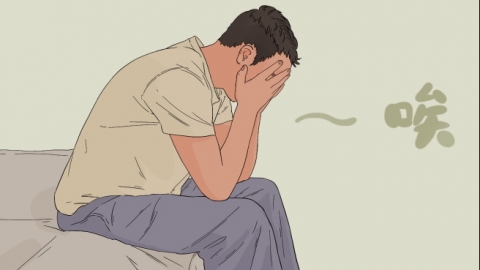
1. Aging: With advancing age, men's sexual response abilities may gradually decline, including erectile function and ejaculation control. Lifestyle modifications such as healthy dietary habits, reduced alcohol and tobacco consumption are recommended.
2. Lack of sexual experience: Insufficient sexual experience may trigger a conditioned reflex, whereby the brain and body reach ejaculation too quickly during sexual activity. Sexual education and psychological counseling can help patients learn correct sexual knowledge and techniques, thereby improving sexual confidence.
3. Anxiety disorders: Emotional anxiety and tension caused by anxiety disorders may affect the brain's regulation of sexual activity, triggering premature ejaculation. This may be accompanied by persistent symptoms such as worry, fear, restlessness, irritability, and insomnia. Patients should follow medical advice to use medications such as compound diazepam tablets, estazolam tablets, or alprazolam tablets as appropriate.
4. Prostatitis: Inflammatory responses caused by prostatitis may increase sensitivity in the prostate area, thereby affecting ejaculation control. Symptoms may include frequent urination, urgency, painful urination, and perineal discomfort. Patients should follow medical advice to use medications such as levofloxacin tablets, ciprofloxacin hydrochloride tablets, or amoxicillin tablets to aid recovery.
5. Diabetes: Nerve and vascular damage caused by diabetes may impair the nerve and blood supply to the penis, leading to reduced ejaculation control. Symptoms may include erectile dysfunction, frequent urination, thirst, polydipsia, increased appetite, and weight loss. Patients are advised to follow medical guidance in using medications such as metformin hydrochloride tablets, repaglinide tablets, or glipizide tablets to manage their condition.
In daily life, appropriate exercise can improve physical stamina and control, helping to enhance sexual function. Techniques such as deep breathing and meditation may also help control emotional and physical responses, thereby prolonging ejaculation time.


