How is balanitis treated?
Dec 02, 2024
Source: Cainiu Health

Dr. Cao Zhiqiang
Introduction
Under normal circumstances, balanitis may be related to factors such as long foreskin or phimosis, poor hygiene habits, chemical irritation, trauma, and others. Patients can wait for symptom relief by maintaining personal hygiene, using mild cleansing products, medication, surgical treatment, etc. It is recommended that patients promptly visit a hospital and undergo treatment according to medical advice.
Normally, balanitis may be associated with factors such as phimosis or redundant foreskin, poor hygiene habits, chemical irritation, trauma, and others. Patients can wait for symptom relief through maintaining personal hygiene, using mild cleansing products, medication, surgical treatment, etc. It is recommended that patients promptly visit a hospital and follow medical advice for treatment. Detailed analysis is as follows:
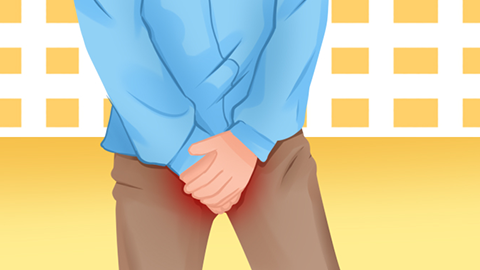
1. Poor hygiene habits: Long intervals between cleanings and infrequent changing of underwear may lead to bacterial growth, causing balanitis with symptoms such as itching and swelling. Patients are advised to maintain cleanliness of the glans and foreskin to avoid accumulation of dirt. During bathing, the foreskin can be retracted upward and washed with clean water or mild soap solution.
2. Chemical irritation: Using cleansers or soaps containing irritating chemical substances may cause inflammation of the glans mucosa, resulting in symptoms such as erythema, itching, and pruritus. It is recommended to stop using irritating chemicals and switch to mild, non-irritating cleansing products.
3. Trauma: Strong external impact, injury, or friction to the glans may cause an inflammatory response, leading to balanitis. Patients should use medications such as clotrimazole cream, miconazole nitrate cream, and amoxicillin granules under a doctor's guidance to aid recovery.
4. Redundant foreskin: In cases of excessive foreskin, dirt and bacteria can easily accumulate inside the foreskin, triggering balanitis, which may present with symptoms such as swelling, itching, and increased secretions. Regular cleaning is recommended, and treatment under a doctor's guidance may include the use of medications such as erythromycin ointment, metronidazole tablets, and amoxicillin tablets.
5. Phimosis: In cases of phimosis, the narrow preputial opening makes it difficult to retract the foreskin, preventing adequate cleaning of the glans and inner foreskin. This can lead to accumulation of dirt and bacteria, resulting in balanitis with symptoms such as redness, pain, and itching of the glans. Patients whose phimosis severely affects daily life may require surgical treatment, such as circumcision.
During treatment, patients should also maintain good lifestyle habits and a positive mindset, actively cooperating with the doctor's recommendations for treatment to achieve recovery as soon as possible. If any discomfort or concerns arise, timely medical consultation with a professional physician is advised.