


What should I do if I have balanitis?
May 25, 2022
Source: Cainiu Health

Dr. Li Mingchuan
Introduction
If diagnosed with balanitis, patients must strictly follow their physician’s instructions to take anti-inflammatory medications and apply topical antimicrobial agents—such as antibiotic ointments and recombinant human interferon-2b gel—to treat the infection and reduce recurrence. Balanitis is commonly associated with phimosis or redundant prepuce; local moisture predisposes individuals to conditions including balanoposthitis, eczema, and balanitis. Patients with balanitis should maintain good hygiene, clean the area regularly, and ensure the glans remains dry.
Balanitis poses a serious threat to men’s health and may also adversely affect family well-being. So, what should one do if diagnosed with balanitis?
What to Do If Diagnosed with Balanitis
Upon diagnosis of balanitis, patients must strictly follow their physician’s instructions for anti-inflammatory medication, including topical antibiotic ointments and recombinant human interferon-2b gel, to control infection and reduce recurrence. Balanitis is commonly associated with phimosis or redundant prepuce; the warm, moist environment beneath the foreskin predisposes individuals to balanitis, posthitis, and eczema. Patients should maintain rigorous local hygiene—regularly cleaning and thoroughly drying the glans penis—and opt for comfortable, breathable cotton underwear.
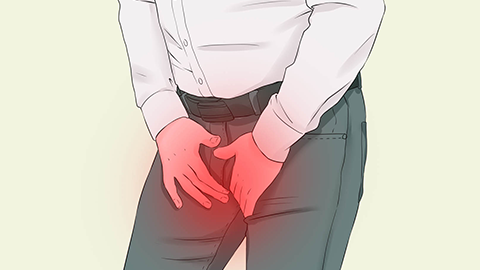
Balanitis is relatively common among men, especially those with phimosis or redundant prepuce. Accumulated smegma—formed from sebaceous secretions and residual urine trapped beneath the foreskin—can trigger inflammation of the glans if not cleaned regularly. Smegma harbors numerous bacteria, and the enclosed, poorly ventilated subpreputial space facilitates bacterial proliferation, particularly when mixed with urine, thereby increasing infection risk.

Sexual activity should be avoided during active balanitis. Both partners must practice thorough genital hygiene before and after intercourse. When smegma accumulation is significant, extra care must be taken prior to intercourse to prevent transfer of smegma into the female partner’s vagina, which could cause vaginal infection. Diet should emphasize light, easily digestible foods; alcohol intake should be minimized. Prolonged sitting and urinary retention should also be avoided, as these may exacerbate local venous congestion or accelerate bacterial growth, potentially triggering or worsening balanitis. We hope this information proves helpful. Wishing you good health and happiness!





