


How to manage poor sleep
Dec 16, 2024
Source: Cainiu Health

Dr. Lv Zhiqin
Introduction
In general, poor sleep may be caused by excessive stress, unhealthy lifestyle habits, anxiety disorders, depression, obstructive sleep apnea-hypopnea syndrome, and other factors. It is recommended to seek timely medical attention, identify the underlying cause, and under a doctor's guidance, utilize general treatments, medications, and other methods to help improve sleep. In daily life, it is important to develop healthy lifestyle habits.
Generally, poor sleep may be caused by excessive stress, unhealthy lifestyle habits, anxiety disorders, depression, obstructive sleep apnea hypopnea syndrome, and other factors. It is recommended to seek timely medical consultation to identify the underlying cause, and under a doctor's guidance, employ general treatments, medications, and other methods to help regulate sleep. A detailed analysis is as follows:
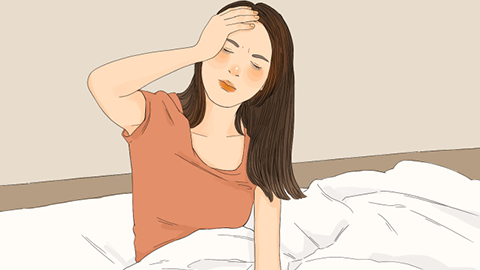
1. Excessive Stress: Prolonged high-pressure states and significant psychological stress can affect the brain's rest and recovery, leading to decreased sleep quality. It is important to maintain a calm mindset and relieve stress through relaxation techniques such as deep breathing, yoga, and meditation.
2. Unhealthy Lifestyle Habits: Poor lifestyle habits can disrupt the body's biological clock, causing disordered sleep regulation mechanisms in the brain, leading to difficulty falling asleep or light sleep. Lifestyle habits should be improved; avoid vigorous exercise before bedtime and refrain from using electronic devices before sleeping.
3. Anxiety Disorders: Anxiety disorders can cause excessive brain activity, making it difficult to relax and affecting the normal sleep process. Anxiety may also trigger physical stress responses, such as increased heart rate and muscle tension, further disrupting sleep, and may be accompanied by symptoms like tension, restlessness, and irritability. Patients may follow medical advice to use medications such as estazolam tablets, alprazolam tablets, sertraline hydrochloride tablets, etc., for treatment.
4. Depression: Depression affects the balance of neurotransmitters, especially decreased levels of serotonin and norepinephrine, resulting in disrupted sleep regulation. Additionally, mood swings in patients with depression can also affect sleep quality, possibly accompanied by symptoms such as low mood, reduced interest, and decreased energy. Patients may follow medical advice to use medications such as clomipramine hydrochloride tablets, amitriptyline hydrochloride tablets, escitalopram oxalate tablets, etc., for treatment.
5. Obstructive Sleep Apnea Hypopnea Syndrome: This condition involves recurrent episodes of breathing cessation during sleep, which can lead to nocturnal oxygen deficiency, affecting the continuity and depth of sleep. Repeated episodes of apnea and awakening disrupt the normal sleep cycle, causing fatigue and daytime sleepiness, and may be accompanied by symptoms such as snoring, daytime drowsiness, and difficulty concentrating. Continuous positive airway pressure (CPAP) devices should be used to help maintain airway patency and improve sleep quality.
In daily life, it is important to develop good lifestyle habits and ensure a quiet and comfortable sleep environment to help improve sleep quality.



