


How to remove surgical scars
Dec 20, 2024
Source: Cainiu Health

Dr. Liu Wenmin
Introduction
Failure to properly care for the wound after surgery may affect the healing process, leading to abnormal growth factor expression and collagen deposition, which can further exacerbate scar formation. Patients can visit a hospital for laser treatment, which uses laser energy to selectively target and thermally damage scar tissue. For example, pulsed dye laser can seal blood vessels within the scar, reducing scar congestion.
Generally, surgical scars may be related to individual differences, tension in the surgical area, improper postoperative care, infection, residual foreign bodies, and other factors. These scars can be removed through pressure therapy, physical therapy, surgical treatment, and medication. It is recommended to seek timely medical examination and follow symptomatic treatment under a doctor's guidance. The analysis is as follows:
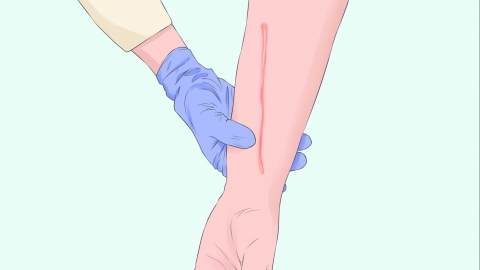
1. Individual differences: Each person's skin healing ability and tendency to form scars differ, primarily influenced by genetic factors and personal health conditions. Individuals with poor healing abilities may experience delayed wound healing and are more susceptible to infections. Maintain good personal hygiene habits, keep the wound clean and dry, and avoid infections.
2. Tension in the surgical area: If the surgical incision is located in an area of high skin tension, such as near a joint, the skin in that area will experience more pulling during daily activities, which may lead to scar hypertrophy and widening. Patients can, under a doctor's guidance, choose appropriate pressure devices to wear and have the pressure levels adjusted regularly during follow-up visits.
3. Improper postoperative care: Neglecting post-surgery care may disrupt the wound healing process, leading to abnormal growth factor expression and collagen deposition, further exacerbating scar formation. Patients can visit the hospital for laser treatment, which uses laser energy to selectively target scar tissue with photothermal effects. For example, pulsed dye laser can close blood vessels within the scar, reducing scar congestion.
4. Infection: Infection triggers an inflammatory response, disrupts the normal healing process, delays wound healing, and increases the risk of scar formation. Patients should use medications such as clindamycin phosphate gel, fusidic acid sodium ointment, or erythromycin ointment as advised by a doctor to control the infection.
5. Residual foreign bodies: Foreign bodies left behind during surgery, such as broken or remaining suture materials or surgical instrument fragments, may act as triggers for scar formation. Larger, more severe surgical scars can be considered for surgical repair, such as scar excision and closure, where the scar tissue is directly removed and the wound is meticulously resutured.
In addition, maintaining healthy lifestyle habits and a positive mindset can also aid in scar recovery and healing.




