What parts of a turtle (soft-shelled turtle) should not be eaten?
Dec 12, 2025
Source: Cainiu Health

Dr. Huang Yuhong
Introduction
Parts of the soft-shelled turtle that should not be consumed generally include the bitter gallbladder, gastrointestinal contents, turtle blood, turtle fat, and lymph nodes in the neck. The bitter gallbladder is located deep within the internal organs; it has an intensely bitter taste and contains irritants. Ingesting it may irritate the mucous membranes of the mouth and gastrointestinal tract, causing discomfort such as nausea, vomiting, and abdominal pain, and impairing digestive function. It must be carefully removed and discarded during preparation.
The inedible parts of a soft-shelled turtle generally include the bitter gallbladder, gastrointestinal contents, turtle blood, turtle fat, and lymph nodes in the neck. Specific details are as follows:
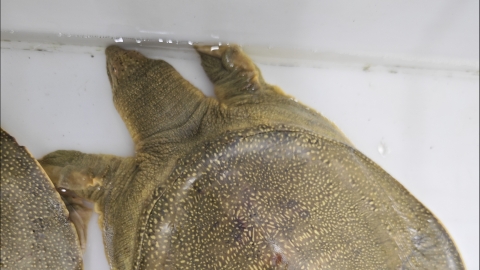
1. Bitter gallbladder: Located deep within the internal organs, the gallbladder has an intensely bitter taste and contains irritants. If consumed, it may irritate the mucous membranes of the mouth and gastrointestinal tract, causing discomfort such as nausea, vomiting, and abdominal pain, potentially impairing digestive function. It must be carefully removed during preparation.
2. Gastrointestinal contents: The turtle's gastrointestinal tract contains undigested food residues, bacteria, and metabolic waste. These substances may carry pathogenic bacteria, and ingestion could lead to intestinal infections, resulting in symptoms like diarrhea and abdominal pain. Therefore, the gut must be thoroughly cleaned.
3. Turtle blood: Although traditional beliefs regard turtle blood as nutritious, untreated turtle blood that has not undergone high-temperature sterilization may contain parasite eggs or bacteria, posing infection risks if consumed raw. Additionally, the blood may contain metabolic toxins that are harmful to health.
4. Turtle fat: This fat is primarily concentrated around the limbs and internal organs. It is greasy and high in fat content; excessive consumption may burden the digestive system, leading to bloating and indigestion. It may also contribute to excessive calorie intake, so obese individuals should avoid eating it.
5. Neck lymph nodes: Lymph nodes are distributed in the neck and under the skin of the turtle. As part of the immune system, these nodes may accumulate bacteria, viruses, and other pathogens, as well as metabolic waste. Consuming them may adversely affect health and they should be removed during processing.
When preparing soft-shelled turtles, edible portions should be carefully separated from inedible parts to ensure thorough cleaning. Only live, fresh turtles from reliable sources should be consumed. Turtles of unknown origin or those showing signs of spoilage must not be eaten. If any discomfort occurs after consumption, medical attention should be sought promptly.