


What to do about loose skin after weight loss
Dec 21, 2024
Source: Cainiu Health

Dr. Liu Wenmin
Introduction
Skin laxity after weight loss may be caused by collagen loss, impaired skin barrier function, insufficient physical activity, nutritional deficiencies, or hypothyroidism, and can be improved according to the specific situation. During the weight loss process, body fat decreases rapidly, while the rate of collagen production in the skin cannot keep up with the rate of fat reduction, leading to decreased skin elasticity and the appearance of loose skin.
Skin laxity after weight loss may be caused by collagen loss, impaired skin barrier function, insufficient physical activity, nutritional deficiencies, or hypothyroidism, and can be improved according to the specific situation. It is recommended to visit a hospital promptly and receive treatment under a doctor's guidance.
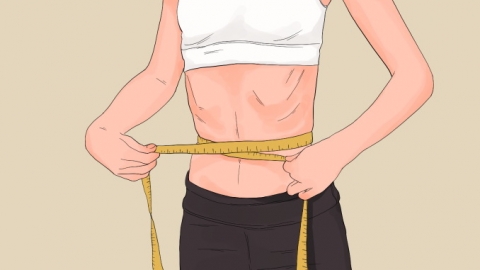
1. Collagen loss: During the weight loss process, body fat decreases rapidly, while the production of collagen in the skin cannot keep pace with the rate of fat reduction, leading to decreased skin elasticity and resulting in sagging skin. It is recommended to consume foods rich in vitamin C and protein to promote collagen synthesis and to use skincare products containing collagen, hyaluronic acid, and similar ingredients.
2. Impaired skin barrier function: Improper eating habits or malnutrition during weight loss may damage the skin barrier, making the skin more prone to water loss, accelerating aging, and causing skin laxity. It is recommended to maintain a balanced diet and ensure sufficient intake of nutrients such as protein, vitamin A, and vitamin E to support healthy skin.
3. Insufficient physical activity: If physical activity is inadequate during weight loss, muscles may become flaccid, which can also lead to skin sagging, possibly accompanied by symptoms such as muscle weakness and physical fatigue. It is recommended to increase physical activity appropriately, especially strength training exercises such as weightlifting and push-ups, to increase muscle mass and improve body contours. At the same time, ensure adequate protein intake.
4. Nutritional deficiency: Long-term unbalanced diets or restrictive dieting for weight loss may lead to deficiencies in essential nutrients such as protein and collagen, reducing the skin's ability to repair and regenerate, thus causing skin laxity. It is recommended to adjust the diet, eat more lean meat, eggs, vegetables, and other foods. Increase physical exercise to promote nutrient absorption and utilization.
5. Hypothyroidism: This condition is usually caused by insufficient secretion of thyroid hormones, which may lead to a decreased metabolic rate, affecting skin firmness and elasticity, and may be accompanied by symptoms such as fatigue, weight gain, constipation, and dry skin. It is recommended to follow medical advice to take medications such as levothyroxine sodium tablets, thyroid tablets, and Yikang capsules to alleviate discomfort.
During treatment, it is necessary to choose appropriate methods based on individual circumstances and undergo treatment under the guidance of a doctor. At the same time, maintaining good lifestyle habits and a positive mindset can also help improve skin laxity.





