How to treat acne scars
Dec 21, 2024
Source: Cainiu Health

Dr. Liu Wenmin
Introduction
Acne scars may be caused by genetic factors, skin type, age, improper squeezing, and severe acne, and can be improved according to different situations. It is recommended to visit a hospital promptly and receive treatment under a doctor's guidance. A family history of acne can make individuals more sensitive to inflammatory responses, making acne scars more likely to form after healing. Early prevention and treatment of acne are advised.
Acne scars may be caused by genetic factors, skin type, age, improper squeezing, and severe acne. Depending on the specific circumstances, improvements can be made. It is recommended to seek timely medical treatment at a hospital and follow the guidance of a physician for treatment.
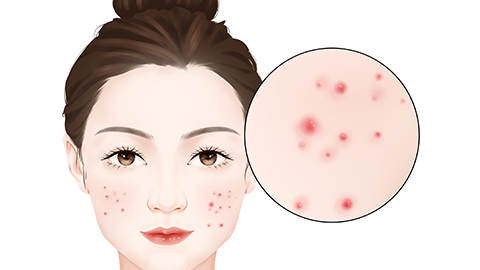
1. Genetic factors: A family history of acne scars may make individuals more sensitive to inflammatory responses, making acne scars more likely to form after healing. Early prevention and treatment of acne is important to avoid worsening inflammation; treatments for acne scars include microneedling, laser therapy, and dermal fillers.
2. Skin type: Oily skin and thick stratum corneum are more prone to sebum and dead skin cell buildup, which can clog pores and trigger inflammatory reactions, increasing the risk of acne scars after healing. Daily skincare should focus on cleansing and oil control, using products such as salicylic acid cleansers and chemical exfoliants like alpha hydroxy acids.
3. Age: As one ages, the skin's regenerative capacity declines, making acne scars more likely after healing. It is recommended to focus on moisturizing and anti-aging in daily skincare, using products such as vitamin C serums and retinol creams; acne scar treatments include microneedling, laser therapy, and dermal fillers.
4. Improper squeezing: Squeezing pimples can spread infection, worsen inflammation, damage more collagen, and result in acne scars after healing. Avoid squeezing acne lesions. If acne scars have formed, improvement can be achieved under medical guidance using treatments such as chemical peels, microneedling, and laser therapy.
5. Severe acne: Inflammatory reactions caused by severe acne can damage collagen in the dermis, leading to acne scars during the healing process, often accompanied by symptoms such as redness, pain, and pus-filled lesions. Patients may use medications such as clindamycin gel, isotretinoin soft capsules, or erythromycin ointment under medical guidance to improve the condition. Later, collagen regeneration can be promoted using treatments such as microneedling and laser therapy, as advised by a physician.
Treating acne scars should involve selecting appropriate methods based on the severity of the scars, individual skin type, and physician recommendations. At the same time, maintaining good lifestyle habits and proper skincare routines can also help prevent and improve acne scars.