


How to treat acne scars on the face
Feb 24, 2025
Source: Cainiu Health

Dr. Liu Wenmin
Introduction
Under normal circumstances, pitted acne scars may be caused by improper squeezing of pimples, natural aging, damaged skin barrier, skin infections, lupus erythematosus, and other factors. It is recommended to seek timely medical attention, identify the underlying cause, and undergo general treatment, medication, or surgical treatment under the guidance of a qualified physician. You should choose a reputable healthcare facility and be treated by a qualified and experienced doctor.
Generally, acne scars may be caused by improper squeezing of pimples, natural aging, damaged skin barrier, skin infections, lupus erythematosus, and other reasons. It is recommended to seek timely medical advice, identify the cause, and undergo general treatment, medication, or surgical treatment under the guidance of a professional doctor. Detailed analysis is as follows:
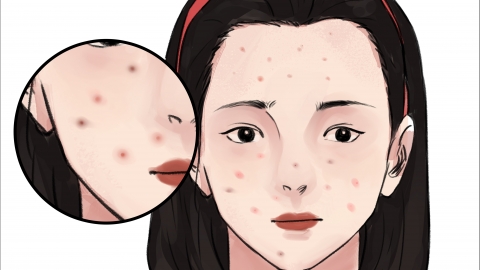
1. Improper Squeezing of Pimples
Squeezing pimples before acne fully develops may damage the underlying skin tissue structure, affecting the normal skin repair process and forming acne scars. It may be accompanied by pigmentation or scar formation. Radiofrequency therapy is recommended to heat the dermis with radiofrequency energy, stimulating collagen contraction and promoting new collagen production. Alternatively, chemical peels with fruit acids can accelerate skin exfoliation and promote the proliferation of elastic fibers in the dermis.
2. Natural Aging
With age, the skin's collagen and elastic fibers gradually decrease, causing loss of elasticity and firmness, making acne scars more likely to form. It is recommended to use physical therapies such as microneedling, intense pulsed light (IPL), and radiofrequency, or use skincare products containing ingredients like vitamin C and hyaluronic acid to promote collagen production and improve skin elasticity and firmness.
3. Damaged Skin Barrier
Inappropriate acne treatment may damage the skin barrier, making the skin more susceptible to external irritants and affecting acne scar recovery. Symptoms may include sensitive skin, redness, and irritation. It is recommended to use products that repair the skin barrier while avoiding irritating cosmetics and maintaining skin cleanliness and hydration.
4. Skin Infection
Inflammatory reactions caused by skin infections can damage skin tissue, especially deep tissue damage, leading to uneven collagen distribution during the healing process and forming acne scars. Symptoms may include redness, swelling, pain, and fever. It is recommended to promptly use medications such as Penicillin V Potassium Tablets, Cefalexin Capsules, and Hydrocortisone Cream to control the infection and prevent worsening of the condition. For acne scar repair, surgical treatments such as microneedling and laser therapy can be used to promote collagen regeneration.
5. Lupus Erythematosus
Due to abnormal immune system attacks on body tissues, inflammation may occur, leading to lupus erythematosus and subsequent skin tissue damage, which results in acne scars after healing. It may also be accompanied by symptoms such as joint pain, fever, and fatigue. It is recommended to follow a doctor's instructions to use medications such as Cyclophosphamide Tablets, Methylprednisolone Tablets, and Azathioprine Tablets to control the condition. Additionally, skin repair treatments such as fractional laser therapy and microcrystalline ceramic fillers can be used to improve the appearance of acne scars.
During treatment, it is important to choose reputable medical institutions and professional doctors. Prior to treatment, communicate fully with the doctor to understand your skin condition and suitable treatment options.





