How to Remove Facial Acne Scars
Dec 21, 2024
Source: Cainiu Health

Dr. Liu Wenmin
Introduction
Facial acne scars may be caused by aging, improper skin care, infections, severe acne, or abnormal immune system responses, and can be treated according to individual circumstances. As one ages, the skin's regenerative capacity gradually declines, leading to slower recovery from acne scars. It is recommended to follow medical advice and use physical treatment methods such as microneedling or radiofrequency skin tightening to promote collagen regeneration.
Acne scars on the face may be caused by aging, improper skin care, infections, severe acne, or abnormal immune system function, and can be treated according to individual situations. It is recommended to seek timely medical consultation at a hospital and undergo treatment under a physician's guidance.
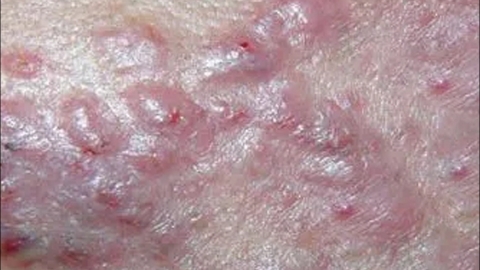
1. Aging: With advancing age, the skin's regenerative capacity gradually declines, leading to slower recovery from acne scars. It is recommended to follow medical advice and consider physical treatments such as microneedling, radiofrequency skin tightening, or photorejuvenation to stimulate collagen regeneration and improve skin elasticity and scar appearance.
2. Improper skin care: Excessive squeezing of acne, using harsh skincare products, or incorrect cleansing methods may worsen inflammatory responses, impair skin healing, and exacerbate scarring. Follow the principle of gentle skincare, use non-irritating facial cleansers, avoid squeezing acne lesions, and schedule regular medical evaluations to assess scar condition and select appropriate treatment options.
3. Infection: Bacterial infection can intensify local inflammation, damage skin tissue, prolong healing time, and worsen scar formation. Symptoms of infection may include redness, swelling, pus formation, and fever. It is recommended to use medications such as amoxicillin-clavulanate potassium tablets, cefaclor dispersible tablets, or cefixime granules under medical supervision to control infection and prevent complications, along with wound debridement and disinfection to promote healing.
4. Severe acne: Severe acne may result from infection and is associated with intense inflammation, potentially damaging hair follicles and sebaceous glands, affecting the dermis, and forming deep scars, possibly accompanied by symptoms such as redness, pain, and pustules. It is recommended to follow medical advice and use medications such as isotretinoin capsules, clindamycin phosphate gel, or erythromycin ointment to alleviate symptoms.
5. Abnormal immune system: Immune system dysfunction may interfere with normal inflammatory regulation and tissue repair, leading to abnormal scar formation, possibly accompanied by systemic symptoms such as fatigue, joint pain, or rash. It is recommended to follow medical instructions and use medications such as cyclosporine capsules, prednisone tablets, or methotrexate tablets for improvement.
Eliminating facial acne scars requires a comprehensive assessment of individual physiological characteristics and scar conditions to select appropriate treatment methods. Throughout the treatment process, it is essential to follow medical guidance regarding medication and skincare to ensure both therapeutic effectiveness and safety.