How to Treat Acne Scars
Dec 21, 2024
Source: Cainiu Health

Dr. Liu Wenmin
Introduction
Pimples usually refer to acne. Acne scars may be caused by genetic predisposition, skin type and pigmentation, skin repair mechanisms, improper treatment, severe acne, etc., and can be treated with general therapy, medication, etc. It is recommended to visit a hospital promptly and receive treatment under the guidance of a doctor. During the treatment of acne scars, patients should also maintain good lifestyle habits.
Acne usually refers to acne vulgaris. Acne scars may be caused by genetic predisposition, skin type and pigmentation, skin repair mechanisms, improper treatment, and severe acne. General treatments and medication options are available. It is recommended to visit a hospital promptly and receive treatment under a doctor's guidance.
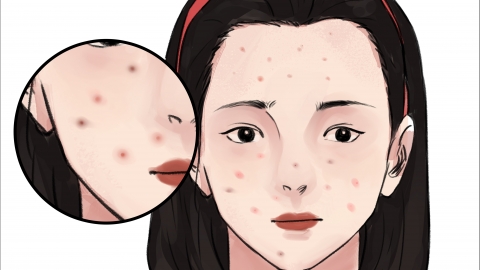
1. Genetic predisposition: Individuals with a family history of scarring may be more prone to noticeable scars, including acne scars, after skin injuries. Once scars have formed, treatments such as laser therapy, microneedling, and dermal filler injections can be considered, along with topical medications that promote scar softening.
2. Skin type and pigmentation: Different skin types and healing capacities exist among individuals. People with oily or dark skin are more likely to develop acne scars, particularly pigmented scars. Regular, gentle chemical peels, such as products containing fruit acids or salicylic acid, can help accelerate epidermal turnover and reduce pigmentation.
3. Skin repair mechanism: When the skin sustains damage, such as from ruptured or squeezed acne, the body initiates a repair process by producing collagen to fill the wound. However, this process may not be completely precise, leading to scar formation. Recently formed scars can be treated with topical products like silicone gel sheets or silicone gel creams to help soften and smooth the scar tissue.
4. Improper treatment: Actions such as squeezing pimples or using irritating cosmetics can worsen skin damage and lead to scar formation. Avoid manually squeezing acne lesions, choose mild and non-irritating facial cleansers and skincare products, and use antibiotic ointments when necessary to prevent infection.
5. Severe acne: Severe acne is often caused by adverse environmental factors and infections. The inflammatory response is not limited to the skin surface but may extend into the dermis, damaging collagen fibers and forming scars that are difficult to heal naturally. It is recommended to follow medical advice to use medications such as isotretinoin capsules, clindamycin phosphate gel, or erythromycin ointment for improvement.
During the treatment of acne scars, patients should also maintain healthy lifestyle and dietary habits, such as ensuring adequate sleep, avoiding staying up late, engaging in moderate exercise, and keeping the skin clean. Additionally, avoid consuming high-sugar and high-fat foods, and eat more fresh vegetables and fruits to obtain sufficient vitamins and minerals.