How can I remove acne marks on my face?
Dec 23, 2024
Source: Cainiu Health

Dr. Liu Wenmin
Introduction
Facial acne marks may be caused by factors such as aging, skin type and healing capacity, improper diet, damaged skin barrier, and inappropriate treatment, and can be addressed according to the specific situation. With age, the skin's regenerative ability and elasticity decline, leading to a prolonged recovery period for acne marks. Use skincare products that provide antioxidant benefits and promote collagen production.
Facial acne marks may be caused by age-related factors, skin type and healing capacity, improper diet, damaged skin barrier, or improper treatment, and can be addressed according to different situations. It is recommended to visit a hospital promptly for diagnosis and treatment under a doctor's guidance.
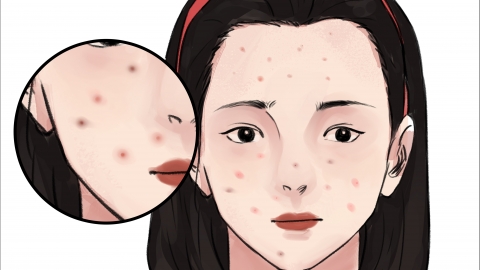
1. Age-related factors: As one ages, the skin's regenerative capacity and elasticity decline, prolonging the recovery cycle of acne marks. Use skincare products with antioxidant properties and those that promote collagen production, such as vitamin C serums and hyaluronic acid, to help improve skin elasticity and fade acne marks.
2. Skin type and healing ability: Different skin types vary in their response to inflammation and healing speed. Individuals with oily skin are more prone to acne marks because excess oil may hinder the skin's natural repair process. Keep the skin clean by using gentle facial cleansers and avoid over-cleansing or irritating the skin.
3. Improper diet: Long-term consumption of greasy, spicy, or irritating foods, as well as diets high in sugar and dairy products, may exacerbate sebaceous gland secretion, increasing the risk of acne and acne mark formation. Adjust your diet by consuming more foods rich in vitamin C, vitamin E, and zinc, such as fresh fruits, vegetables, and whole grains.
4. Damaged skin barrier: Over-cleansing or using harsh skincare products or cosmetics may damage the skin barrier, increasing the likelihood of acne marks and possibly causing symptoms such as dryness, tightness, and sensitivity. Choose gentle cleansers and skincare products, and avoid using irritating cosmetics. Additionally, emphasize skin moisturization and sun protection to promote skin barrier repair.
5. Improper management: Squeezing acne or failing to seek timely medical treatment may worsen inflammation, increase the risk of developing acne marks, and potentially lead to uneven skin texture and hyperpigmentation. It is recommended to use medications such as mucopolysaccharide polysulfate cream, vitamin E cream, or sulfur ointment under a doctor's guidance for improvement.
During treatment, maintain a positive mindset and patience, continue treatment, and monitor changes in the skin.