How to get rid of red pimples on the face
Dec 23, 2024
Source: Cainiu Health

Dr. Liu Wenmin
Introduction
Red acne marks on the face may be caused by不良生活习惯 (unhealthy lifestyle habits), the skin's self-repair process, individual differences, allergic reactions, acne, and other factors. Improvements can be made according to the specific situation. For instance, staying up late, an unbalanced diet, and similar habits may affect the skin's metabolism and healing ability, thereby worsening red acne marks. It is recommended to improve lifestyle habits, ensure adequate sleep, and avoid staying up late.
Red acne marks on the face may be caused by不良生活习惯 (unhealthy lifestyle habits), the skin's self-repair process, individual differences, allergic reactions, acne, and other factors. Improvement can be made according to different situations. It is recommended to visit a hospital promptly for diagnosis and treatment under a doctor's guidance.
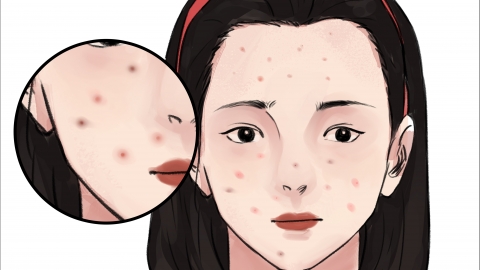
1. Unhealthy lifestyle habits: Habits such as staying up late and unbalanced diets may affect the skin's metabolism and repair capacity, thereby worsening red acne marks. It is recommended to improve lifestyle habits, ensure adequate sleep, avoid staying up late, maintain a balanced diet, and consume more foods rich in vitamins and minerals, such as fresh vegetables and fruits.
2. Skin's self-repair process: After acne subsides, the skin may leave red acne marks, which are natural reactions during the skin's self-repair process. It is recommended to use skincare products containing ingredients such as vitamin C, arbutin, and glycyrrhizic acid to help promote skin metabolism and accelerate the fading of red acne marks.
3. Individual differences: Different people have different skin types and healing abilities; some individuals may be more prone to developing red acne marks. Regular deep cleansing and hydrating masks, along with products that have soothing and repairing effects, such as aloe vera gel, can help restore the skin to a healthy condition.
4. Allergic reactions: After contact with allergens, the skin may develop inflammatory reactions, leading to the formation of red acne marks, which may be accompanied by symptoms such as itching and redness. It is recommended to avoid contact with allergens again and to use medications such as loratadine tablets, cetirizine hydrochloride capsules, and calamine lotion as directed by a physician to improve the condition.
5. Acne: Acne may be related to infections; the inflammation caused by acne damages the skin tissue, and after the inflammation subsides, pigmentation or scarring may develop, possibly accompanied by symptoms such as itching and pain. It is recommended to use medications such as adapalene gel, isotretinoin erythromycin gel, and erythromycin ointment under a doctor's guidance to alleviate discomfort.
In daily life, using skincare products containing skin-lightening ingredients such as vitamin C and arbutin can help reduce pigmentation. At the same time, attention should be paid to daily skincare, avoiding excessive sun exposure to prevent worsening of pigmentation.