


The best treatment for lumbar disc bulge
Dec 23, 2024
Source: Cainiu Health

Dr. Chen Jian
Introduction
In general, there is no such thing as the "best treatment for lumbar disc bulge." Lumbar disc bulge may result from excessive use of the lower back, exposure to cold, lumbar trauma, degenerative changes in the lumbar discs, lumbar disc herniation, or other causes. The treatment method needs to be selected based on the specific cause in order to achieve effective treatment. It is important to seek medical attention promptly and follow the doctor's instructions for treatment.
Generally speaking, there is no such thing as the "best treatment for lumbar disc bulge." Lumbar disc bulge may be caused by excessive use of the waist, exposure to cold temperatures, waist trauma, degenerative changes in the lumbar intervertebral discs, or lumbar disc herniation. Treatment should be selected according to the specific cause to achieve therapeutic effectiveness. Prompt medical consultation and following medical advice for treatment are necessary. Details are as follows:
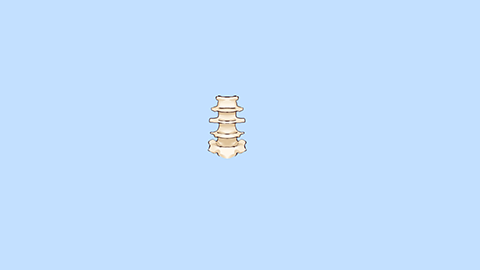
1. Excessive use of the waist: Prolonged weight-bearing, frequent lifting of heavy objects, engaging in heavy physical labor, and maintaining incorrect sitting postures for long periods can cause chronic injury to the soft tissues of the waist, increasing pressure on the lumbar intervertebral discs and gradually weakening the annulus fibrosus, leading to bulging. Avoid excessive use of the waist, reduce weight-bearing and bending activities, and strengthen exercises for the lumbar muscles.
2. Exposure to cold in the waist: Cold exposure can cause contraction of the muscles and blood vessels in the waist, increasing pressure on the intervertebral discs and affecting blood circulation, accelerating the degenerative process and increasing the risk of lumbar disc bulge. Keep the waist warm and avoid cold exposure.
3. Waist trauma: Trauma to the waist, such as acute lumbar sprain or impact from a car accident, may cause rupture of the lumbar intervertebral disc's annulus fibrosus and protrusion of the nucleus pulposus, leading to lumbar disc bulge accompanied by radiating pain in the lower limbs. Under medical guidance, medications such as cefixime tablets, prednisone tablets, and dexamethasone tablets can be used to relieve pain and reduce inflammatory responses.
4. Degenerative changes in the lumbar intervertebral discs: Reduction of water content and protein levels in the nucleus pulposus decreases its elasticity and toughness. The annulus fibrosus gradually becomes fragile and may tear, accompanied by low back pain. These degenerative changes make the lumbar intervertebral discs prone to bulging when subjected to external forces. Follow medical advice to use medications such as ibuprofen sustained-release capsules, vitamin B1 tablets, and mecobalamin tablets to reduce inflammation and provide nerve nutrition.
5. Lumbar disc herniation: Lumbar disc herniation is a condition that develops after degenerative changes occur in the lumbar intervertebral discs. Under external forces, the annulus fibrosus ruptures, and the nucleus pulposus protrudes, irritating or compressing the nerve roots or cauda equina nerves. When the degree of protrusion is mild, it manifests as lumbar disc bulge accompanied by stiffness in the lower back. Under medical guidance, medications such as Xuefu Zhuyu capsules, Qili capsules, and amoxicillin capsules can be used to promote blood circulation, remove blood stasis, and reduce inflammation.
During treatment, follow medical instructions for timely medication and pay attention to adjusting lifestyle habits and dietary habits to promote recovery.







