


Why does swallowing cause throat pain, and what should I do?
Dec 23, 2024
Source: Cainiu Health

Dr. Lu Cheng
Introduction
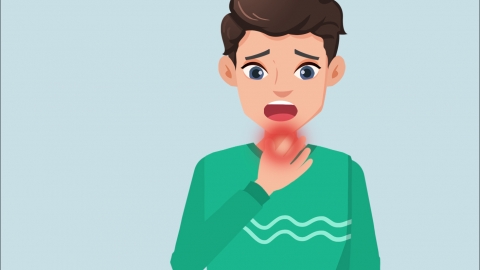
Under normal circumstances, the throat refers to the pharynx. Pain during swallowing may be caused by oral breathing, acid reflux, seasonal changes, acute tonsillitis, chronic pharyngitis, or other related conditions. Treatment may include general therapy and medication under the guidance of a physician. It is also important to maintain a regular作息 (作息 should be translated as "lifestyle" or "daily routine") routine and ensure adequate sleep.
Generally, the term "throat" refers to the pharynx. Pain during swallowing may be caused by oral breathing, acid reflux, seasonal changes, acute tonsillitis, chronic pharyngitis, and other factors. Treatment options include general care and medication therapy, as directed by a physician. Detailed explanations are as follows:
1. Oral Breathing
When patients are forced to breathe through the mouth due to nasal congestion or other reasons, the oropharyngeal area loses its normal moist environment, leading to dry mucous membranes and mild irritation. In this situation, the mucosa becomes sensitive and may experience pain due to friction during swallowing. It is recommended to maintain indoor air humidity using humidifiers and strive to keep nasal passages clear to reduce reliance on oral breathing.
2. Acid Reflux
Lying flat or reclining shortly after eating may cause stomach acid to flow back into the esophagus and even reach the pharynx, causing local chemical burns. The acidic substances in gastric juice directly contact the pharyngeal mucosa, triggering inflammatory reactions and pain. Avoid eating within two hours before bedtime and sleeping on the left side may help reduce the frequency of acid reflux.
3. Seasonal Changes
As temperatures drop, especially during the transition between autumn and winter, the body's sensitivity to cold increases. Nasal blood vessels constrict, reducing the filtering function of the nasal cavity and allowing more dust and particles to enter the pharynx, thereby causing the aforementioned symptoms. Maintaining appropriate warmth and adjusting clothing according to weather conditions can effectively reduce symptoms caused by seasonal changes.
4. Acute Tonsillitis
Acute tonsillitis is an acute inflammation caused by bacterial or viral infection, commonly occurring in the tonsillar area. The inflammatory response may lead to localized redness, swelling, and congestion, which can compress nerve endings and cause severe pain during swallowing. It may also be accompanied by symptoms such as fever and chills. Under a physician's guidance, patients may take medications such as amoxicillin capsules, ibuprofen sustained-release tablets, and compound licorice tablets for treatment.
5. Chronic Pharyngitis
Chronic pharyngitis refers to persistent non-specific inflammation of the pharyngeal mucosa caused by long-term external irritation or unhealthy lifestyle habits. Symptoms include dryness, itching, foreign body sensation, and mild pain in the throat, as well as possible coughing and sputum production. Patients may follow medical advice to use medications such as Pudi Lan Xiaoyan tablets, Qinghou Liyan granules, and Yinhuang dissolved tablets for treatment.
Maintaining a regular lifestyle and ensuring adequate sleep time are important. Pay attention to healthy eating and avoid spicy and irritating foods to prevent additional strain on the throat.



