


How to use a thermometer
Dec 24, 2024
Source: Cainiu Health

Dr. Yang Ziqi
Introduction
Before using a thermometer, it is first necessary to properly clean and disinfect the device. The sensor tip or probe of the thermometer can be wiped with an alcohol swab or other disinfectant to ensure the surface is clean and free of debris, reducing the risk of cross-contamination. Thermometers that require power, such as digital or infrared thermometers, should be checked to ensure sufficient battery charge before use.
Proper usage methods of thermometers vary depending on the type, but generally include the following correct steps: cleaning and disinfecting, preparing and turning on the device, selecting the measurement site, proper placement and measurement, reading and handling the results. The details are as follows:
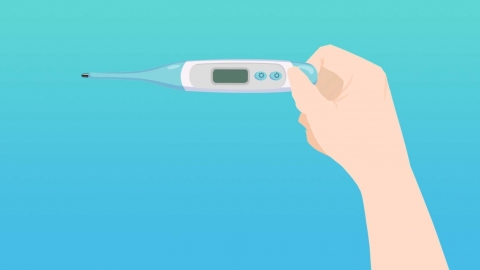
1. Cleaning and Disinfecting
Before using a thermometer, it needs to be properly cleaned and disinfected. Use an alcohol swab or other disinfectant to wipe the sensor tip or probe of the thermometer to ensure its surface is clean and free of contaminants, thereby reducing the risk of cross-infection.
2. Prepare and Turn On
Thermometers that require power, such as electronic or infrared thermometers, should ensure sufficient battery power before use and press the power button to turn the device on. At this time, the thermometer usually displays some basic information, such as the temperature from the last measurement or the current measurement mode.
3. Select the Measurement Site
Choose the appropriate measurement site according to the type of thermometer and measurement requirements. Common measurement sites include the armpit, mouth, rectum, and forehead. Different measurement sites may require different measurement times and procedures.
4. Proper Placement and Measurement
Correctly place the probe or sensor tip of the thermometer at the selected measurement site. For armpit measurement, ensure the thermometer is in close contact with the skin and held tightly; for oral measurement, place the thermometer under the tongue and keep the lips tightly closed; for rectal measurement, apply an appropriate lubricant and gently insert the thermometer into the rectum.
5. Reading Results and Handling
After completing the measurement, read the result according to the instructions provided by the thermometer or its user manual. Electronic thermometers typically display the temperature directly on the screen; infrared thermometers may require pressing a button or waiting a few seconds for the result to appear. After reading the result, record, analyze, or take appropriate actions as needed.
In daily life, if infants or young children need their temperature measured, a dedicated rectal thermometer can be used, and the procedure should be performed under a doctor's guidance. If the measurement result is suspected to be inaccurate, multiple measurements can be taken and the average value used to improve accuracy.



