


What is it like to experience acute gastroenteritis?
Dec 24, 2024
Source: Cainiu Health

Dr. Li Jingxiang
Introduction
Generally speaking, there is no such thing as "what it's like to experience acute gastroenteritis." Acute gastroenteritis may be caused by factors such as improper diet, abdominal cold exposure, food poisoning, bacterial infection, or parasitic infection. Symptoms may include abdominal pain, diarrhea, nausea and vomiting, fever, dehydration, and others. If related symptoms occur, patients are advised to seek medical attention promptly.
Generally speaking, there is no standard description for "what it feels like to have acute gastroenteritis." Acute gastroenteritis may be caused by improper diet, abdominal cold exposure, food poisoning, bacterial infection, parasitic infection, and other factors. Symptoms may include abdominal pain, diarrhea, nausea and vomiting, fever, dehydration, and others. If symptoms occur, patients are advised to seek medical attention promptly. Detailed analysis is as follows:
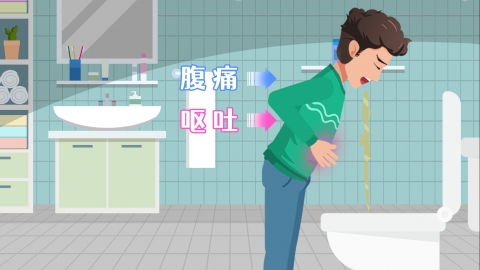
1. Abdominal pain: A common symptom of acute gastroenteritis, often presenting as intermittent or persistent abdominal pain, typically located around the navel. The pain is usually cramp-like and may vary depending on individual differences, but it is generally severe.
2. Diarrhea: Patients may experience frequent bowel movements, with stools typically being watery or semi-watery, possibly yellow or green in color, sometimes accompanied by a foul odor. Severe diarrhea may lead to dehydration and electrolyte imbalance, which can result in serious consequences.
3. Nausea and vomiting: Patients with acute gastroenteritis may experience symptoms of nausea and vomiting. The vomit is often gastric contents; in severe cases, bile or blood may be present. Vomiting may lead to dehydration and malnutrition.
4. Fever: Due to the inflammatory response caused by bacterial infection, patients may develop a mild to moderate fever, and body temperature may exceed 38°C in cases of severe infection. Fever may be accompanied by symptoms such as fatigue, headache, and dizziness.
5. Dehydration: Prolonged diarrhea and vomiting can lead to significant loss of fluids and electrolytes in the body, resulting in symptoms of dehydration. Severe dehydration may endanger the patient's life.
Patients may take medications such as Ciprofloxacin Hydrochloride Capsules, Bismuth Potassium Citrate Tablets, and Enteritis Ling Granules, as directed by a physician. Maintaining healthy dietary habits and lifestyle practices can also help prevent the occurrence of acute gastroenteritis.



