


How to treat acute gastroenteritis
Dec 30, 2024
Source: Cainiu Health

Dr. Shen Yonghua
Introduction
In general, acute gastroenteritis refers to acute inflammation of the stomach and intestines, which may be caused by factors such as poor hygiene habits, parasitic infections, drug reactions, stress-related factors, or food poisoning. It is recommended to seek timely medical attention, identify the underlying cause, and then undergo appropriate treatment—including general care and medication—under the guidance of a qualified physician.
Generally speaking, acute gastroenteritis refers to the acute inflammation of the gastrointestinal tract, which may be caused by unhygienic habits, parasitic infection, drug reactions, stress factors, food poisoning, and other reasons. It is recommended to seek timely medical attention, identify the underlying cause, and then alleviate symptoms through general treatment and medication under the guidance of a qualified physician. Detailed analysis is as follows:
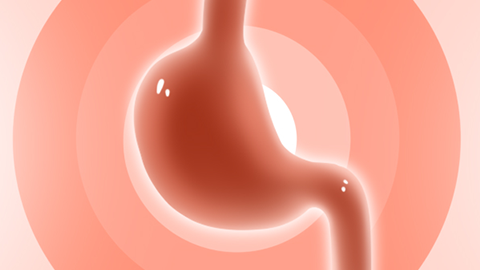
1. Unhygienic Habits
If an individual has poor hygiene habits, such as improper hand hygiene, inappropriate food handling and storage, it may lead to pathogens entering the digestive tract and causing acute gastroenteritis. It is recommended to maintain good hygiene habits in daily life.
2. Parasitic Infection
Parasites can be transmitted through food or water sources. If one enjoys eating raw food or drinking untreated water, this may lead to parasites entering the gastrointestinal tract and causing acute gastroenteritis, accompanied by watery stools and abdominal discomfort. It is recommended to use antiparasitic medications such as mebendazole tablets, praziquantel tablets, tribendimidine enteric-coated tablets, and maintain good personal hygiene habits.
3. Drug Reaction
Certain medications, such as nonsteroidal anti-inflammatory drugs (NSAIDs), can damage the gastric mucosa and increase the risk of developing acute gastroenteritis, accompanied by upper abdominal pain and indigestion. It is recommended to discontinue the related medications and use gastric mucosal protectants such as aluminum hydroxide gel, hydrotalcite chewable tablets, aluminum phosphate gel, etc.
4. Stress Factors
Stress factors such as surgery, trauma, or severe illness may lead to reduced blood supply to the gastrointestinal tract and damage to the mucosal barrier, resulting in acute gastroenteritis accompanied by nausea, vomiting, and bloating. It is recommended to seek timely medical attention. If there is external trauma, treatment for the trauma should be carried out under a physician's guidance to alleviate the stress condition.
5. Food Poisoning
Ingestion of contaminated food may, to some extent, cause gastrointestinal inflammation due to toxins or microorganisms in the food, manifesting as acute gastroenteritis accompanied by severe vomiting and diarrhea. It is recommended to immediately stop consuming the suspected food, drink plenty of water or take oral rehydration salts to prevent dehydration. If necessary, antiemetic medications such as domperidone tablets, ranitidine hydrochloride tablets, chlorpromazine hydrochloride tablets may be used.
When treating acute gastroenteritis, appropriate treatment methods should be selected according to individual conditions. At the same time, maintaining good living habits and a positive mindset is also important.





