


What should be done if swelling occurs after circumcision?
Dec 25, 2024
Source: Cainiu Health

Dr. Cao Zhiqiang
Introduction
In general, edema after circumcision may be caused by factors such as surgical trauma, postoperative hematoma, postoperative infection, allergic reaction, or lymphatic vessel injury. Depending on the specific situation, general treatment, medication, or surgical treatment may be used to manage or alleviate the condition. It is recommended to seek timely medical attention, identify the underlying cause, and undergo symptomatic treatment under a doctor's guidance.
Normally, edema following circumcision may be caused by factors such as surgical trauma, postoperative hematoma, postoperative infection, allergic reaction, or lymphatic vessel injury. Treatment or relief can be achieved through general care, medication, or surgical intervention depending on the specific situation. It is recommended to seek timely medical attention, identify the underlying cause, and undergo appropriate treatment under a physician's guidance. A detailed explanation is as follows:
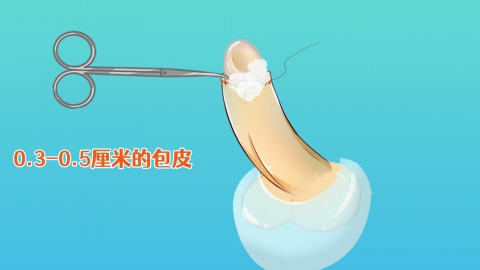
1. Surgical Trauma
Surgery can cause some damage to the penile tissue, triggering a local inflammatory response that leads to swelling. Usually, there are no other associated symptoms, and the edema will gradually subside over time. It is recommended to maintain a calm mindset, follow medical advice for basic postoperative care, and monitor the condition closely.
2. Postoperative Hematoma
Due to impaired local blood circulation during or after surgery, blood may accumulate in the surgical area, forming a hematoma, which subsequently causes edema. Cold compresses can be used to reduce local swelling and bruising initially, and later warm compresses can be applied to promote blood circulation.
3. Postoperative Infection
Invasion of the wound by microorganisms such as bacteria can trigger an inflammatory response, increasing vascular permeability and causing plasma and fluid to exude into the interstitial spaces, resulting in edema, which may be accompanied by symptoms such as pain and redness. Patients may take medications such as ciprofloxacin hydrochloride tablets, cefuroxime axetil tablets, or levofloxacin tablets as directed by a physician.
4. Allergic Reaction
An individual may have an allergic reaction to anesthetics, suture materials, or postoperative care products used during circumcision, which may also lead to postoperative edema, possibly accompanied by symptoms such as itching and erythema. Patients may take medications such as cetirizine hydrochloride tablets, loratadine tablets, or cetirizine hydrochloride oral solution under a physician's guidance.
5. Lymphatic Vessel Injury
Accidental damage to lymphatic vessels during circumcision can obstruct lymphatic return, causing localized edema, sometimes accompanied by pain or a feeling of heaviness. Patients may undergo lymphatic reconstruction surgery under a physician's guidance to restore normal lymphatic drainage.
During the recovery process, patients should maintain good personal hygiene and keep the surgical site clean and dry. In addition, strenuous exercise and heavy physical labor should be avoided to prevent interference with the healing process.




