


How to remove surgical scars
Dec 25, 2024
Source: Cainiu Health

Dr. Liu Wenmin
Introduction
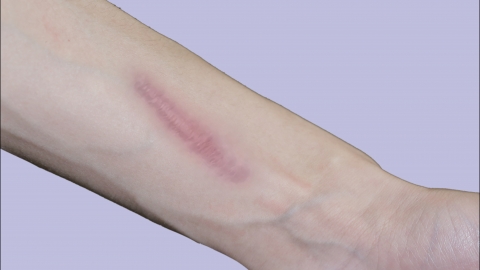
Individuals vary in their body's repair mechanisms, and some people may be prone to hypertrophic scarring after surgery. This type of scarring typically does not involve other symptoms, but rather presents as a raised area or color change on the skin at the surgical site. Under a physician's guidance, patients can choose appropriate laser types and parameters for treatment, which may require multiple sessions.
Generally, surgical scars may be related to individual differences in repair mechanisms, poor wound healing, scar-prone constitution, residual foreign bodies, and excessive inflammatory responses. These conditions can be managed through laser therapy, proper wound care, surgical interventions, and medication use. It is recommended to seek timely medical evaluation at a hospital and undergo symptomatic treatment under a physician's guidance. The detailed analysis is as follows:
1. Individual Repair Differences
Individual variations exist in the body's repair mechanisms, and some people are more prone to developing hypertrophic scars after surgery. This type of scarring typically does not involve other symptoms but manifests as skin elevation or color changes at the surgical site. Under a physician's guidance, patients can choose appropriate laser types and parameters for treatment, which may require multiple sessions. After each treatment, attention should be paid to sun protection and moisturizing of the skin.
2. Poor Wound Healing
Poor wound healing prolongs the skin's repair process, leading to excessive proliferation of fibroblasts and collagen fibers, which can result in scar formation. Symptoms may include redness, swelling, pain, and wound exudate. It is important to get sufficient rest and avoid strenuous physical activity to prevent interference with wound healing. Additionally, maintaining skin hygiene and avoiding scratching the affected area are essential to prevent skin damage and secondary infection.
3. Scar-Prone Constitution
Some individuals have a scar-prone constitution, making them susceptible to noticeable scarring even from minor wounds. In such individuals, abnormal collagen synthesis during the wound healing process leads to excessive scar tissue proliferation. After wound healing, raised and hardened scars may form. Under a physician's guidance, appropriate surgical repair methods can be selected, such as scar excision and suturing or flap transplantation. Postoperative care should emphasize wound cleanliness and disinfection to prevent infection, and regular follow-ups and care should be conducted as instructed.
4. Residual Foreign Bodies
Foreign bodies remaining in the wound after surgery, such as sutures or debris, can also promote scar formation. Symptoms often include delayed wound healing, local induration, and discomfort. In such cases, surgical removal of the foreign bodies may be necessary to promote proper wound healing.
5. Excessive Inflammatory Response
Some patients may experience an excessive inflammatory response after surgery, which can lead to scar formation. Inflammatory symptoms such as redness, swelling, warmth, and pain may appear after wound healing. Patients are advised to use medications such as clindamycin phosphate gel, fusidic acid sodium ointment, or erythromycin ointment under a physician's guidance to control infection.
During the surgical repair process, patients may experience accompanying symptoms such as surgical trauma, pain, and bleeding, and postoperative care must strictly follow medical instructions.




