Prostate Calcification Treatment Methods
Dec 25, 2024
Source: Cainiu Health

Dr. Cao Zhiqiang
Introduction
In general, prostate calcification may be related to factors such as aging, urine reflux, prostatic fluid retention, prostatic degeneration, and prostatitis. Patients can alleviate symptoms through regular medical check-ups, improved urination habits, prostate massage, lifestyle modifications, and medication. It is recommended that patients seek timely medical attention and follow the doctor's instructions for treatment.
Generally, prostate calcification may be related to factors such as aging, urine reflux, prostatic fluid retention, prostatic degenerative changes, and prostatitis. Patients can alleviate symptoms through regular medical checkups, improved urination habits, prostate massage, lifestyle modifications, and medication. It is recommended that patients seek timely medical evaluation and follow the guidance of their physicians. Detailed explanations are as follows:
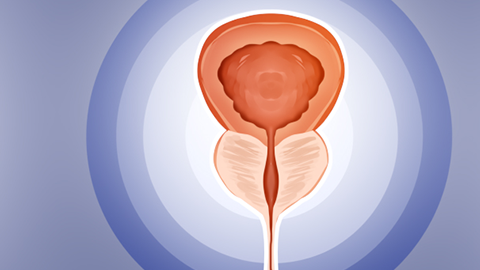
1. Aging: With increasing age, calcium salt deposition in prostate tissue gradually increases. This is a natural physiological process that typically does not cause significant symptoms. No specific treatment is required, but regular medical checkups and attention to prostate health are recommended.
2. Urine Reflux: Urine reflux allows harmful substances such as bacteria and viruses present in urine to enter the prostate, leading to prostatic inflammation and calcification. Symptoms may include urethral discomfort and difficulty urinating. It is recommended to improve urination habits and avoid prolonged urine retention.
3. Prostatic Fluid Retention: Prolonged absence of sexual activity or ejaculation can lead to accumulation of prostatic fluid within the gland, increasing the likelihood of calcium salt deposition and subsequent calcification. This may be accompanied by prostate discomfort or mild pain. Maintaining regular sexual activity and avoiding prolonged retention of prostatic fluid is advised. If necessary, prostate massage or physical therapy may be performed under a physician's guidance.
4. Prostatic Degenerative Changes: Functional disturbances of the prostate, tissue proliferation, and local accumulation of metabolic waste may lead to degenerative diseases. Local tissue cell metabolism may become abnormal, resulting in calcium ion accumulation and calcification. This may be accompanied by mild prostate discomfort or impaired urination. It is recommended to improve lifestyle habits, such as engaging in moderate exercise and maintaining a balanced diet, which may help slow the progression of degenerative changes.
5. Prostatitis: When inflammation occurs in the prostate, inflammatory cells may release substances that promote calcium salt deposition in prostate tissue. Symptoms may include urinary discomfort such as frequency, urgency, and dysuria. Patients are advised to take medications such as levofloxacin tablets, ciprofloxacin hydrochloride tablets, or amoxicillin tablets under medical supervision to alleviate symptoms.
In daily life, patients should also maintain healthy lifestyle habits, avoid prolonged sitting and urine retention, maintain regular作息 (作息 means作息 time here, but it's better to use "作息 time" or "作息 habits" in English) habits, and ensure sufficient sleep. Engaging in appropriate physical exercise, such as walking or jogging, can enhance immune function and aid in recovery from illness.