


How to Choose an Intraocular Lens for Cataract Surgery
Dec 25, 2024
Source: Cainiu Health

Dr. Wang Shuai
Introduction
The selection of intraocular lenses during cataract surgery should be based on the patient's physiological needs, ocular pathological conditions, and personal preferences, including factors such as age and visual requirements, ocular anatomical structure, corneal astigmatism, macular disease, diabetic retinopathy, and others. Patients should communicate thoroughly with their physicians to understand the advantages and disadvantages of various lenses and make the most suitable choice together.
Selection of intraocular lenses (IOLs) during cataract surgery depends on the patient's physiological needs, ocular pathological conditions, and personal preferences. These include age and visual requirements, ocular anatomical structure, corneal astigmatism, macular disease, diabetic retinopathy, and more. Detailed analysis is as follows:
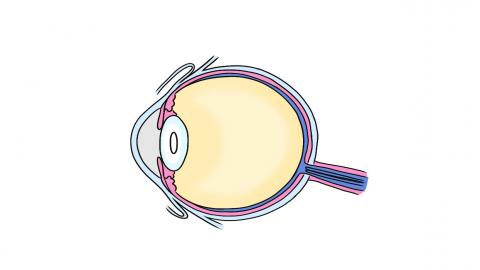
1. Age and Visual Requirements: As people age, their visual needs change. Younger patients may prefer multifocal or accommodating IOLs that can meet both distance and near vision needs, while older patients may prioritize clarity for distance vision, making monofocal IOLs sufficient.
2. Ocular Anatomical Structure: Each individual's ocular anatomy is unique, including corneal curvature and axial eye length. These factors can influence the selection and implantation outcomes of IOLs. Based on preoperative ocular examinations, the surgeon will select the most suitable type and implantation position of IOL to ensure optimal postoperative visual results. Precise ocular measurements and evaluations should be performed to customize the most appropriate IOL for each patient.
3. Corneal Astigmatism: Corneal astigmatism is a common ocular condition that can cause blurred vision and visual fatigue. Associated symptoms may include double vision or halos around lights. IOLs with astigmatism-correcting capabilities are recommended to improve postoperative visual quality. These lenses can correct corneal astigmatism, allowing light to focus more accurately on the retina.
4. Macular Disease: Macular disease affects the macula of the retina and can lead to vision loss and visual distortion. Symptoms may include blurred central vision and abnormal color perception. During treatment for macular disease, an appropriate IOL should be selected for implantation. Based on the patient's specific condition, the physician will recommend an IOL type that can improve visual quality.
5. Diabetic Retinopathy: Diabetic retinopathy is a common ocular complication in diabetic patients, which can cause retinal vascular damage and vision loss, potentially including blurred vision and visual field defects. While controlling blood sugar levels, IOLs with ultraviolet (UV) light protection should be selected to reduce the risk of further retinal damage. These lenses offer improved light filtration, protecting the retina from UV radiation.
Patients should communicate fully with their physicians to understand the advantages and disadvantages of various IOLs and make the most suitable choice together. Additionally, postoperative care should follow the physician's recommendations, including attention to ocular hygiene and proper eye care, to promote recovery and maintain ocular health.



