


What causes constantly blurred vision, and what should be done about it?
Nov 19, 2025
Source: Cainiu Health

Dr. Wang Lei
Introduction
In general, persistent blurred vision may be caused by factors such as eye strain, dry environments, dry eye syndrome, refractive errors, or cataracts. Individuals can choose appropriate corrective measures based on their specific conditions. It is important to develop good eye-use habits in daily life and avoid excessive eye fatigue; attention should also be paid to environmental humidity to maintain the health of the ocular surface. If blurred vision persists or worsens, prompt medical evaluation is recommended.
Under normal circumstances, persistent blurry vision may be caused by eye strain, dry environments, dry eye syndrome, refractive errors, cataracts, or other factors. Individuals can choose appropriate methods to improve their condition based on personal circumstances. A detailed analysis is as follows:
1. Eye Strain
Staring at electronic screens or performing close-up work for extended periods causes the ciliary muscle to remain contracted without relaxation, reducing the lens's ability to adjust and resulting in blurred vision. It is recommended to rest for 5 minutes after every 40 minutes of screen use, look into the distance to relax the eyes, and adjust screen brightness and viewing distance appropriately.
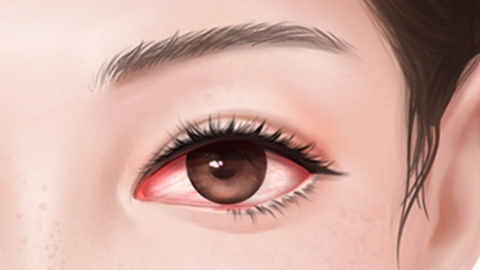
2. Dry Environment
In dry conditions, tears evaporate too quickly, compromising the stability of the tear film and leading to insufficient lubrication of the corneal surface, causing temporary blurriness. Using a humidifier indoors to increase air moisture and consciously blinking more often can help promote tear secretion.
3. Dry Eye Syndrome
Inadequate tear production or poor tear quality prevents the tear film from effectively protecting the cornea, causing persistent blurred vision accompanied by dryness and a foreign body sensation. Artificial tear drops such as sodium hyaluronate eye drops, polyethylene glycol eye drops, or carboxymethylcellulose sodium eye drops may be used under medical guidance. Avoid prolonged exposure to air-conditioned environments.
4. Refractive Errors
Abnormal refractive power of the cornea or lens prevents parallel light rays from focusing accurately on the retina, leading to blurry vision due to myopia, hyperopia, or astigmatism. Corrective measures include wearing appropriate glasses as prescribed by an ophthalmologist or undergoing refractive surgeries such as LASIK (laser in situ keratomileusis) or femtosecond laser surgery.
5. Cataracts
Aging or trauma can cause clouding of the lens, obstructing the passage of light and resulting in progressive vision decline and blurriness. Medications such as glutathione eye drops, pirenoxine eye drops, or taurine eye drops may be used under medical supervision. In severe cases, phacoemulsification combined with intraocular lens implantation surgery is required.
Maintaining good eye habits daily and avoiding excessive eye fatigue are essential. Attention should also be paid to environmental humidity to protect ocular surface health. If blurred vision persists or worsens, prompt medical evaluation is necessary for early diagnosis and intervention to preserve clear vision.






