


Is it okay if a baby with a fever of 38.6°C falls asleep?
Dec 26, 2024
Source: Cainiu Health

Dr. Zhou Xiaofeng
Introduction
In general, a fever refers to an elevated body temperature. Whether it is a concern if a baby falls asleep when having a temperature of 38.6°C mainly depends on the baby's specific condition. If the baby shows no other discomfort and sleeps well after falling asleep, it may not be a serious issue. However, if the baby experiences other discomfort symptoms or has poor sleep quality after falling asleep, it may be a concern. If symptoms persist without relief, timely medical attention is recommended.
Generally speaking, fever refers to an elevated body temperature. When a baby's temperature reaches 38.6℃ and the baby falls asleep, whether it is concerning mainly depends on the baby's specific condition. If the baby shows no other discomfort and sleeps well, it may not be serious. However, if the baby experiences other symptoms and sleeps poorly, it could be a concern. If symptoms persist without relief, timely medical attention is recommended. Detailed analysis is as follows:
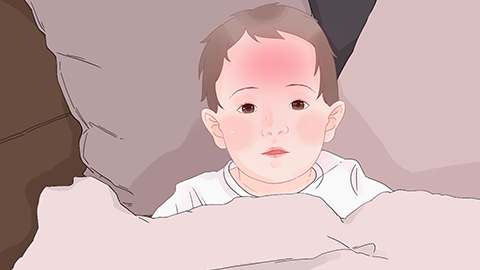
If the baby's mental state is good at a temperature of 38.6℃, with steady breathing and no signs such as rapid breathing, increased heart rate, or pale complexion after falling asleep, and the baby sleeps well, the situation is generally not serious. However, it is still important to apply a warm towel or fever patch to the baby's forehead to assist in reducing the fever and prevent the temperature from rising further.
If the baby's mental state is poor at a temperature of 38.6℃, accompanied by symptoms such as rapid breathing, dry lips, flushed or pale complexion, and if the baby sleeps poorly with episodes of body convulsions or loss of consciousness during sleep, the condition could be serious. This suggests the baby's illness may be severe, and failure to treat it promptly may affect the baby's physical health and potentially impair intellectual development. It is recommended to follow medical advice and promptly administer medications such as ibuprofen suspension, children's fever suppositories, or cold and fever granules for treatment.
Parents should regularly monitor the baby after fever onset. If any of the above discomforts occur, timely and appropriate intervention is necessary to prevent febrile seizures. Additionally, the baby's living environment should be improved promptly, and appropriate clothing should be ensured to aid in reducing the fever.


