


What should I do if my child has a cold with phlegm in the throat?
Dec 26, 2024
Source: Cainiu Health

Dr. Zhou Xiaofeng
Introduction
Under normal circumstances, phlegm in the throat of a child with a cold may be caused by increased mucus secretion in the throat, underdeveloped swallowing function, acute upper respiratory tract infection, bronchitis, pneumonia, and other conditions. To prevent this symptom, it is recommended to regularly ventilate indoor spaces by opening windows, thereby reducing bacterial growth indoors. At the same time, maintaining a balanced diet can strengthen the child's constitution and improve resistance.
Generally, phlegm in the throat caused by a cold in children may result from increased mucus secretion in the throat, underdeveloped swallowing function, acute upper respiratory tract infection, bronchitis, pneumonia, and other conditions. Treatment options, guided by a physician, may include general care and medication therapy. Detailed explanations are as follows:
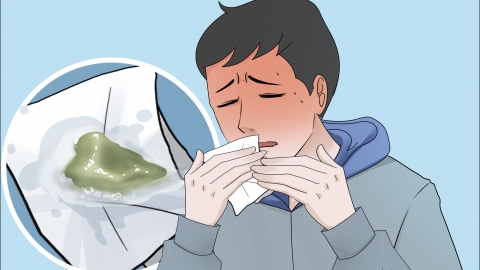
1. Increased mucus secretion in the throat
When children catch a cold, the respiratory tract may be stimulated by viruses or cold air, causing the throat mucosa to produce excess mucus in an attempt to remove foreign substances or pathogens, leading to phlegm in the throat. To manage this, maintain indoor air humidity and avoid prolonged exposure of the child to dry environments. Enhance the child's physical condition, ensure a balanced diet, improve immunity, and reduce the frequency of colds.
2. Underdeveloped swallowing function
Some children may have not fully developed their swallowing function and may be unable to effectively swallow or cough out the phlegm produced in the throat, resulting in phlegm accumulation. Feeding the child an adequate amount of water may help dilute the phlegm; back patting and other methods can assist the child in expelling phlegm.
3. Acute upper respiratory tract infection
Acute upper respiratory tract infections are usually caused by viruses such as rhinovirus, influenza virus, or bacteria. The throat mucosa becomes irritated by viruses or bacteria, leading to increased mucus production and phlegm formation. Accompanying symptoms may include runny nose, cough, and fever. Medications such as oseltamivir granules, amoxicillin-clavulanate potassium dry suspension, and pediatric phlegm-resolving and cough-relieving granules may be used under a physician's guidance.
4. Bronchitis
Bronchitis may be caused by viral or bacterial infections. Inflammation of the bronchi leads to increased secretions, making it difficult for phlegm to be coughed out, resulting in phlegm accumulation in the throat. Symptoms may include worsening cough, wheezing, and difficulty breathing. Follow medical advice to use medications such as salbutamol nebulizing solution, cefaclor dry suspension, and ambroxol hydrochloride oral solution for treatment.
5. Pneumonia
Pneumonia may be associated with infection of the lungs by pathogens such as bacteria, viruses, or fungi. Lung inflammation leads to excessive phlegm production, with phlegm difficult to cough out, accumulating in the throat. Symptoms such as high fever, chills, and chest pain may also appear. Under a physician's guidance, medications such as azithromycin dry suspension, ribavirin granules, and acetylcysteine granules may be used for treatment.
To prevent this condition, it is recommended to regularly ventilate indoor spaces to reduce bacterial growth. At the same time, maintain a balanced diet, enhance the child's physical condition, and improve immunity.






