


What is the peak period for measles, mumps, and rubella?
Dec 12, 2025
Source: Cainiu Health

Dr. Liu Wenmin
Introduction
In general, the peak periods for measles, mumps, and rubella mainly occur from March to May in spring and from September to November in autumn. In some regions, these periods may start slightly earlier or later due to climatic differences. Environmental conditions during these times are generally more favorable for virus transmission. It is recommended that children and adolescents complete their measles, mumps, and rubella vaccination in a timely manner before the onset of these peak seasons.
Generally, the peak incidence periods for measles, mumps, and rubella mainly occur from March to May in spring and from September to November in autumn. In some regions, these periods may start slightly earlier or later due to climatic differences. The environmental conditions during these two timeframes are overall more conducive to virus transmission. Detailed analysis is as follows:
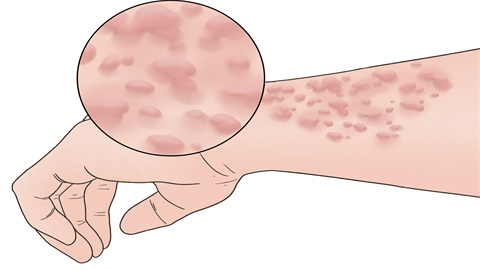
Measles, mumps, and rubella are caused by their respective viruses and primarily spread through respiratory droplets. They can also be transmitted indirectly via contact with items contaminated by the virus. During spring and autumn, the mild and humid temperatures allow the virus to survive longer in the external environment and make it less likely to be eliminated by extreme weather conditions. Additionally, these periods coincide with the start of school terms in educational institutions and childcare centers, leading to frequent gatherings and increased mobility among children and adolescents—populations highly susceptible to infection. This significantly raises the likelihood of cross-transmission, resulting in concentrated outbreaks of infections.
Prior to the onset of peak seasons, it is recommended that eligible children and adolescents promptly receive the measles-mumps-rubella (MMR) vaccine. Individuals who have not completed the full vaccination schedule should catch up as soon as possible to enhance immunity. Daily preventive measures include ensuring proper indoor ventilation, avoiding crowded enclosed spaces, and practicing good hygiene habits such as frequent handwashing and covering the mouth and nose when coughing or sneezing, thereby reducing the risk of infection from multiple angles.



