


What should I do if a child has fever, chills, and shivering?
Dec 26, 2024
Source: Cainiu Health

Dr. Zhou Xiaofeng
Introduction
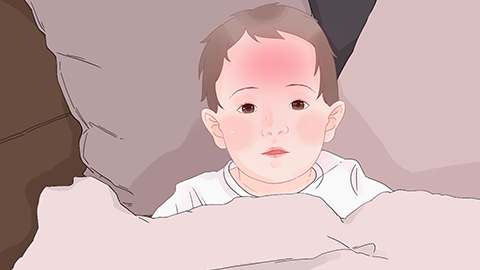
In general, fever refers to an elevated body temperature. When a child experiences fever accompanied by chills and shivering, it is often a sign of high fever, commonly associated with conditions such as acute tonsillitis, influenza, acute bronchitis, acute gastroenteritis, and pneumonia. It is recommended to promptly implement general treatments and medication to alleviate symptoms. During treatment, it is also important to ensure the child gets adequate sleep to promote recovery.
Generally speaking, fever refers to an elevated body temperature. When a child experiences fever accompanied by chills and shivering, it is usually a sign of high fever, commonly associated with conditions such as acute tonsillitis, influenza, acute bronchitis, acute gastroenteritis, pneumonia, and other factors. It is recommended to promptly adopt general treatments and medication to alleviate symptoms. If discomfort persists, timely medical attention is advised. The specific analysis is as follows:
1. Acute Tonsillitis
Acute tonsillitis may be related to infectious factors and immune responses. An increase in inflammatory mediators can cause fever and a continuous rise in body temperature. It may be accompanied by symptoms such as sore throat and reduced appetite. Treatment may include medications such as Pudi Lan Xiao Yan Oral Liquid (BleiSophora Root, Herba Taraxaci, etc.), Compound Zinc Bao Granules, Xigua Shuang (Citrullus Vulgaris), and other drugs, as advised by a physician.
2. Influenza
Influenza is caused by infection with the influenza virus, such as type A or type B influenza virus. After the virus stimulates the body, high fever may persist. It is often accompanied by symptoms such as coughing and chills. Improving the living environment and maintaining the room temperature around 25°C is recommended. In severe cases, medications such as Ribavirin Injection, Oseltamivir Phosphate for Oral Suspension, and Adenosine Arabinoside Monophosphate for Injection may be used under medical guidance.
3. Acute Bronchitis
Acute bronchitis is caused by bacterial or viral infection due to decreased immunity. The respiratory inflammation may spread systemically, causing high fever and chills. Symptoms usually include coughing, expectoration, and shortness of breath. It is important to keep indoor air moist and avoid smoke irritation. In severe cases, medications such as Roxithromycin Granules, Penicillin V Potassium Granules, and Dextromethorphan Hydrobromide Syrup may be used under a doctor's instructions.
4. Acute Gastroenteritis
Acute gastroenteritis is mostly caused by bacterial, viral, or parasitic infections, such as rotavirus or norovirus. Inflammatory stimulation can easily lead to the above symptoms, accompanied by abdominal pain, diarrhea, and nausea. Prompt dietary adjustments and medications such as Lactobacillus Powder, Smectite Powder, and Bifidobacterium Triple Viable Powder may be used under medical supervision.
5. Pneumonia
Pneumonia is usually caused by pathogens such as Streptococcus pneumoniae, Staphylococcus aureus, viruses, or mycoplasma. The resulting inflammatory response affecting the body's temperature regulation center can cause high fever and chills. Symptoms may include coughing, expectoration, and chest tightness. Keeping the airway clear and cleaning oral secretions are important. When necessary, medications such as Cefaclor Granules, Loquat Cough-Relieving Granules, and Azithromycin Granules may be used as advised by a doctor.
It is important to note that before using any of the above medications, consultation with a qualified physician is necessary to avoid self-medication. Additionally, during treatment, it is essential to ensure adequate sleep for the child to promote recovery.


