What are the types of inflammatory responses?
Dec 27, 2024
Source: Cainiu Health

Dr. Yang Ziqi
Introduction
Under normal circumstances, the inflammatory response is a manifestation of the body's normal physiological defense mechanisms. It usually refers to a fundamental pathological process dominated by defense, occurring in living tissues with vascular systems in response to various injurious stimuli. Types of inflammatory responses include exudative inflammation, necrotizing inflammation, chronic inflammation, atypical inflammation, and specific inflammation.
Generally, the inflammatory response is a manifestation of the body's normal physiological defense mechanisms. It typically refers to a fundamental pathological process characterized primarily by defense reactions, occurring in living tissues with vascular systems in response to various injurious stimuli. Types of inflammatory responses include exudative inflammation, necrotizing inflammation, chronic inflammation, allergic inflammation, and specific inflammation. If discomfort occurs, timely medical consultation is recommended. Detailed explanations are as follows:
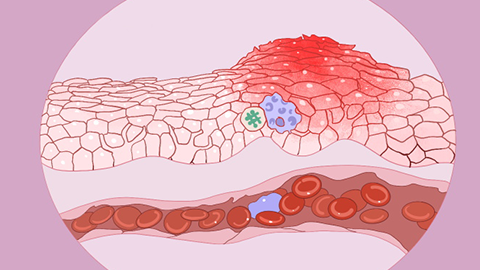
1. Exudative Inflammation
During the inflammatory process, local vascular permeability increases, leading to the exudation of plasma and extracellular fluid into surrounding tissues, causing local edema and exudate formation.
2. Necrotizing Inflammation
During the inflammatory process, tissue necrosis and dissolution are evident, sometimes accompanied by cellular or tissue necrosis, and severe cases may present with necrotic exudates.
3. Chronic Inflammation
The inflammatory response lasts for an extended period and is accompanied by tissue destruction. The disease course is prolonged, with symptoms persisting over time.
4. Allergic Inflammation
This type may be related to exposure to allergens, leading to corresponding tissue damage or functional impairment.
5. Specific Inflammation
This may be inflammation caused by a clearly defined infectious agent, resulting in tissue and cell damage due to specific pathogenic factors invading the body. It usually presents with characteristic symptoms.
Maintaining a healthy lifestyle, balanced diet, appropriate exercise, good personal hygiene, timely medical consultation, and following medical advice for treatment are recommended in daily life.