


What Are the Symptoms of Inflammation?
Aug 24, 2021
Source: Cainiu Health

Dr. Pan Yongyuan
Introduction
Inflammation is a fundamental pathological process involved in numerous diseases and represents the body’s defensive response for self-protection; however, it also causes varying degrees of harm. Locally, inflammation manifests as redness, swelling, heat, pain, and functional impairment at the site of injury. Systemically, it may be accompanied by fever, tachycardia, elevated blood pressure, chills, and anorexia.
Inflammation is a fundamental pathological process involved in numerous diseases. It represents the body’s defensive response aimed at self-protection; however, it also causes varying degrees of harm. Locally, inflammation manifests as redness, swelling, heat, pain, and functional impairment. Systemically, it may be accompanied by fever, tachycardia, elevated blood pressure, chills, and anorexia.

1. Local Symptoms
The classic local signs are redness, swelling, heat, pain, and functional impairment. “Redness” results from local vasodilation and hyperemia; “swelling” arises from increased vascular permeability, leading to exudation of fluid and cellular components; “heat” is caused by arterial hyperemia, accelerated blood flow, and heightened metabolic activity; and “pain” stems from compression by exudates and the action of inflammatory mediators on sensory nerve endings. These changes may further impair organ function—for example, arthritis can restrict joint mobility.
2. Systemic Symptoms
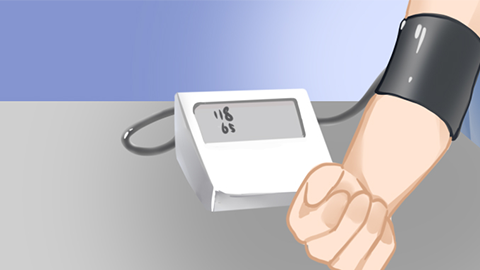
Common systemic manifestations include fever, tachycardia, hypertension, chills, and anorexia—primarily attributable to severe local inflammation and systemic dissemination of pathogenic microorganisms. Moreover, in particularly severe systemic infections—such as sepsis—widespread vasodilation, plasma extravasation, reduced effective circulating blood volume, and impaired cardiac function may culminate in shock.






