


What are the methods of prostate massage?
Dec 27, 2024
Source: Cainiu Health

Dr. Zhang Xiuhong
Introduction
Under normal circumstances, prostate massage techniques include pushing, kneading, acupressure, finger pressure, and vibration. Place both hands on top of each other and gently push from the navel down to the pubic area. It is recommended to perform this on an empty stomach or two to three hours after a meal, which helps ensure the bladder and bowels are empty. This method can promote blood circulation in the area and help relieve prostate congestion and inflammation.
Generally, prostate massage techniques include pushing, kneading, acupressure, finger pressure, and vibration. A detailed explanation is as follows:
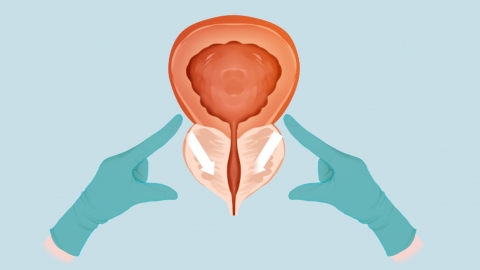
1. Pushing Technique
Place both hands on top of each other and gently push from the navel toward the pubic bone. It is recommended to perform this on an empty stomach or two to three hours after a meal, to ensure the bladder and bowels are emptied. This method can promote blood circulation in this area and help relieve congestion and inflammation of the prostate.
2. Kneading Technique
Place both hands on top of each other and knead clockwise over the Laogong acupoint (PC8) at least 10 times per set. This technique promotes local blood circulation through kneading movements and can help relieve tension and inflammation in the prostate.
3. Acupressure Technique
Locate the Zhongji acupoint (CV3), place both hands on top of each other, and gently press and knead this point. By stimulating specific acupoints, this method helps regulate qi and blood circulation, improves microcirculation in the prostate, and thereby reduces inflammation and pain.
4. Finger Pressure Technique
Bring the fingers together, gently insert one finger into the anus, and use the fingertip to softly press and rotate over the prostate area. This method can help relieve prostate inflammation and pain and promote the discharge of prostatic fluid.
5. Vibration Technique
Use a professional prostate massager or electric massager to apply low-frequency vibration to the prostate area. This method stimulates the prostate through mechanical vibration, achieving relaxation and alleviating symptoms.
If any discomfort or pain occurs during the massage, stop immediately and consult a doctor. Additionally, prostate massage should be avoided by patients with acute prostatitis, prostate cancer, or similar conditions to prevent worsening of the condition.






